A clean chimney means not only a good draught but a safe home. Here are the signs it’s time to call a chimney sweep, and how to need one less often.
Specialized services
·
Fireplace and stove before the season: how to prepare the chimney
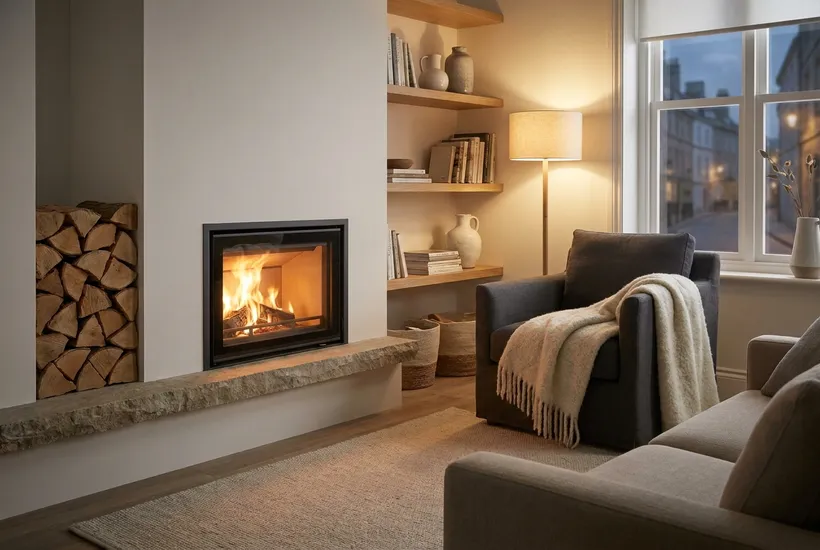
The first evening by the fire after summer is a lovely ritual. To make sure it doesn’t end with smoke in the room, or worse, book a chimney inspection before winter.
Why it matters
When wood burns, not all of the gases burn off completely: tar and particles settle on the chimney walls as soot. The layer grows with every fire. Soot can catch fire inside the flue, and a chimney fire is dangerous for the house and can seriously damage the chimney. You can’t tell how dirty the flue is without an inspection, and that is a job for a chimney sweep.
What to check before the first fire
After a long summer break, it is better to bring the fireplace back into use step by step. Start with what you can do without climbing onto the roof or taking anything apart.
- Find the fireplace or stove manual and any records of past servicing: when the chimney was last inspected and swept, and what the specialist advised.
- Think about what has changed in the house since last winter: new airtight windows, a powerful kitchen extractor, roof works or an extension near the flue can all affect the draught.
- Look at what is visible from the room: cracks in the surround, soot marks or damp patches on the wall and ceiling near the flue, the condition of the glass and the door seal, and whether the damper moves freely.
- Clear anything that does not belong out of the firebox and off the hearth.
If anything raises doubts, do not light a “test” fire: note what you have seen and pass it on to the specialist. The cap and the outside of the flue are for a professional to inspect. There is no need to climb onto the roof yourself.
Signs your chimney needs cleaning
- smoke comes into the room when lighting or during burning;
- logs are hard to light and the fire goes out on its own;
- the draught is weak and you have to open the damper wider than usual;
- the stove glass quickly gets a sticky dark coating;
- the room smells of soot, especially in damp weather;
- black smoke comes from the chimney, and the cap is covered in deposits.
If smoke or a burning smell gets into the room, or someone at home feels unwell, stop using the fireplace and get help; only light it again once a specialist has checked it. Ask your fireplace installer whether your home needs a carbon monoxide detector, and follow the detector manufacturer’s instructions on where to fit it.
Why a chimney gets dirty faster
Wet firewood. Damp wood burns poorly, with steam and smoke, producing noticeably more soot. Burn well-dried firewood, and check your fireplace or stove manual for the fuels it is designed for.
Rubbish in the firebox. Painted and glued wood, plastic, packaging and piles of paper clog the chimney and release harmful substances. A fireplace is not an incinerator.
Poor installation. Long horizontal sections and an uninsulated flue collect condensation, which soot sticks to.
When to inspect
Book an inspection (and sweeping if needed) before the heating season starts. How often to repeat it depends on the appliance, the fuel and how often you light fires: follow the manufacturer’s instructions and the advice of a specialist in fireplace and stove installation and service. A sweep will assess the flue, the draught and the cap, and tell you whether repairs are needed. If you are planning a new fireplace or stove, browse photos of completed fireplace and stove installations.
Booking an inspection and sweep: what to get from the specialist
To make the inspection useful, agree on its scope in advance. Tell the specialist what kind of fireplace or stove you have, which fuel you burn, how often you used it last winter and what you noticed while getting it ready. Show them the manual and any records of past servicing.
Afterwards, ask for a clear result:
- what exactly was inspected: the firebox, the connections, the flue along its whole length, the cap;
- the condition of the chimney, whether there was soot or debris and what was removed during sweeping;
- any damage or faults, and what must be repaired before you light a fire;
- whether the fireplace can be used now and what to watch for during the season;
- when the specialist thinks the next inspection is due, given the manual and the way you use the fireplace.
Where the specialist took photos or ran a camera through the flue, ask to keep the files: they will be useful at the next service or if you sell the house.
Frequently asked questions
Why does smoke come into the room when I light the fire?
There can be several reasons: a cold flue has not yet built up a draught, the damper is not fully open, the chimney or cap is partly blocked by soot, leaves or a nest, or too little air is getting into the room, for example when the windows are shut tight and an extractor is running. Weather and wind play a part too. If smoke gets into the room, stop the fire, air the room and do not light it again until a specialist has found the cause.
How do you prepare a chimney for the season after a long idle period?
During months without a fire, debris, leaves or birds’ nests can collect in the flue and on the cap. So start by checking what is visible from inside, find the records of past servicing and book an inspection before the first fire. Do not try to “burn through” the flue with a big fire, and do not sweep it from the roof yourself: that is a job for a professional.
Who to trust with it
Find a fireplace and stove specialist in the Cozy catalog: installation and maintenance professionals will help you get your fireplace ready for the season and choose a safe solution if you are only planning one. If the fireplace or stove is part of your home’s wider heating system, specialists in heating and boiler rooms can help too.