






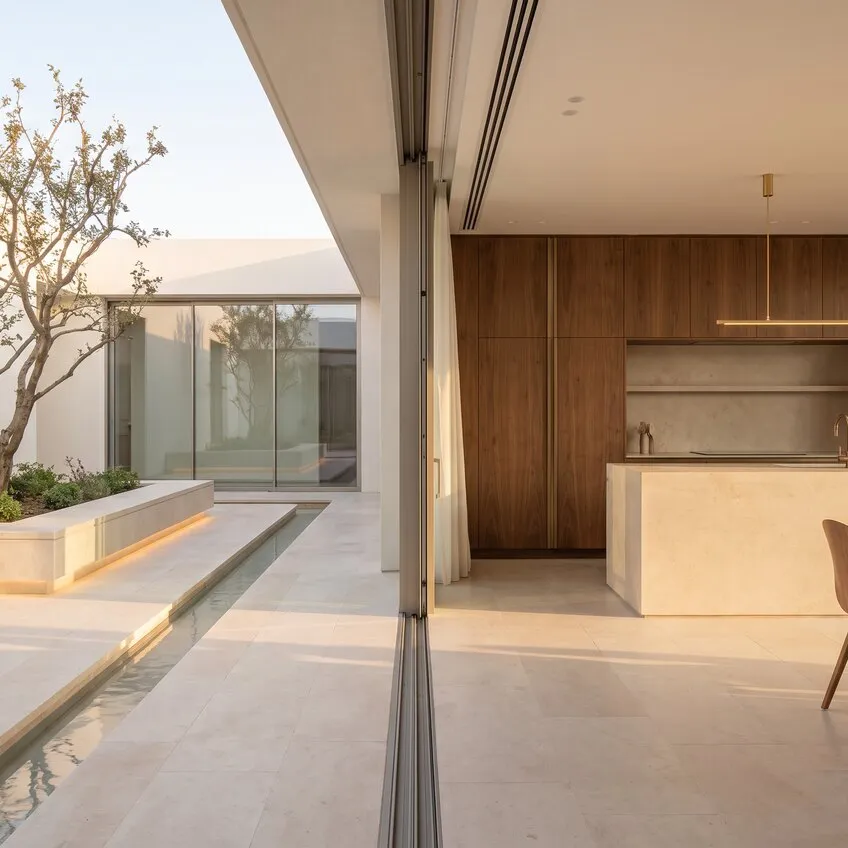
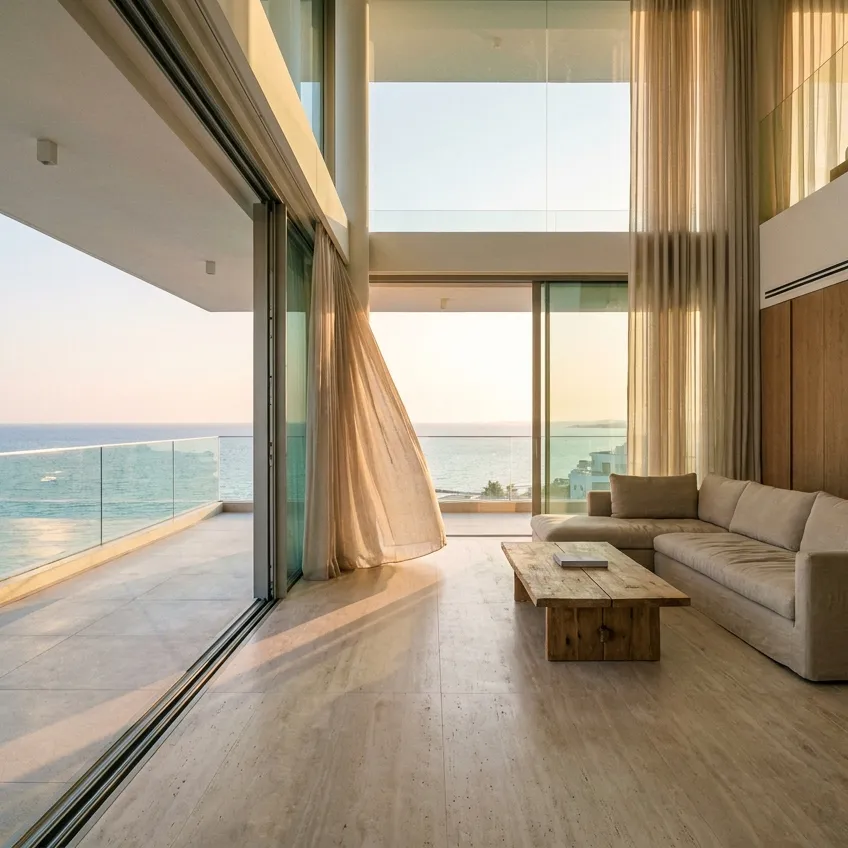
Getting curtains in Cyprus right is not only about the fabric: it also takes accurate measuring, the right rod or track and careful hanging. Here curtains are first of all a shield against sun and heat: they keep the bedroom dark in the morning and protect furniture and floors from fading, as well as helping the air conditioning. The “Textiles and decor (curtain making, curtain rods)” section of Cozy brings together curtain workshops, seamstresses, soft furnishing designers and rod fitters.
Besides curtains and sheers, specialists make Roman blinds, bedspreads, cushions, tablecloths and loose covers, and put together textiles that match your interior. Venetian and roller blinds and shutters are a separate trade: look for them in their own category.
Cozy is a directory of these professionals. In a job post, list the windows and the kind of curtains you have in mind so that makers can quote for each one.
Measuring the window and choosing a rod
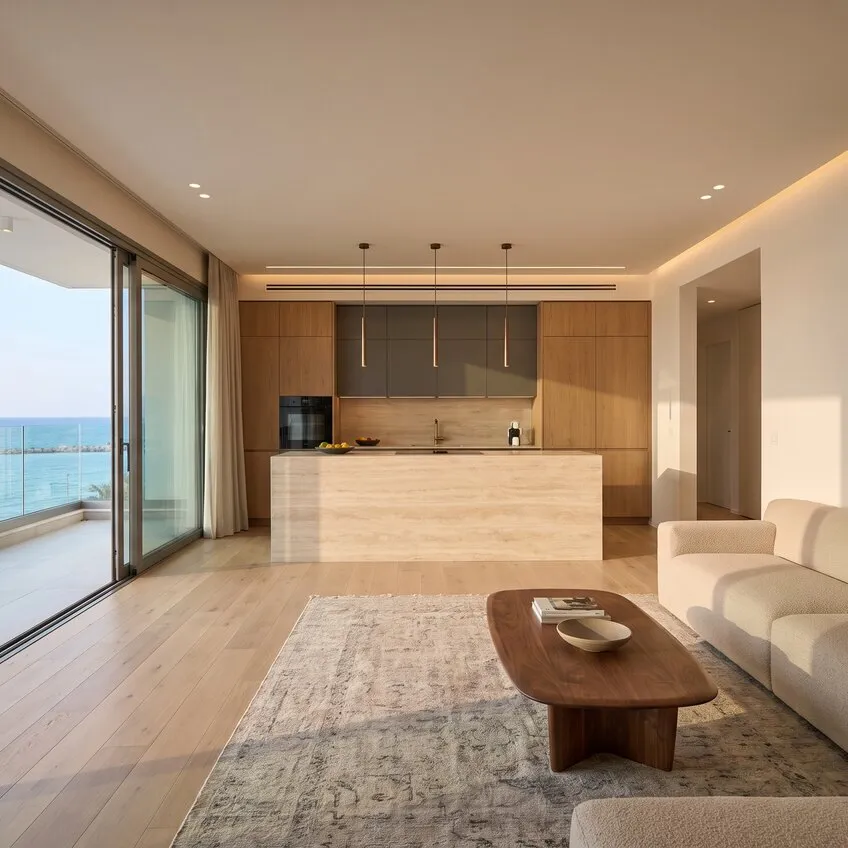
Curtain sizes are calculated from the rod, so the first decision is where it goes. A ceiling track visually raises the ceiling and suits floor-length curtains; a wall-mounted rod is fixed above the opening and wider than the window so the fabric clears the glass when open. The maker will check the drop from rod to floor, the width of the opening and recess, and the position of the air conditioning unit and window sill. Wide sliding doors to a terrace and floor-to-ceiling windows need solid fixings and a mechanism that can carry heavy fabric; bay windows call for bendable tracks. If renovation is coming up, plan a recess for a concealed ceiling track in advance.
Fabric, lining and blackout curtains
Fabric is chosen for what the room needs. In Cyprus, fade resistance and easy care matter most: near the sea curtains pick up moisture and salt, so washable fabrics are more practical. The main options:
- blackout: dense room-darkening fabric or lining for bedrooms and nurseries;
- dim-out: partial darkening with soft, diffused daylight;
- linen, cotton and blends: natural texture, but they crease more and can shrink;
- sheers and voiles: a light layer that softens the sun and keeps the view;
- lining: protects the main fabric from fading and improves the drape.
Making, samples and hanging
Before making, the maker agrees the fabric with you from a sample, the heading (tape, eyelets, tab tops or wave pleats) and the allowance for length and width. Finished curtains are steamed and hung on site, with the length adjusted to the floor if needed. Many workshops also sew customers’ own fabric: in that case check in advance how much you need, allowing for fullness and pattern repeat. If you are ordering curtains for several rooms, ask to see samples in daylight and in the evening: fabric colour shifts more than you would expect.
Choosing a curtain maker
Look through the photos of past work: are there curtains for similar windows (floor-to-ceiling, tall or unusually shaped), and how does the finished drape look? Read reviews on measuring accuracy and reliability, and check the rating. Ask who measures and fits (the workshop itself or a separate fitter) and whether rods are included in the offer.
Before you get in touch, prepare window dimensions or photos with a tape measure, the wall and ceiling type, how much darkening you want and examples of interiors you like. If the curtains are for a rental flat, say so straight away: the maker will suggest more practical fabrics.