Marks on walls come back after repainting until the water source is found. How to record what you see, tell condensation from a leak and choose who to call for an inspection.
Roofing and facade works
Damp and mould in Cyprus homes: finding the cause
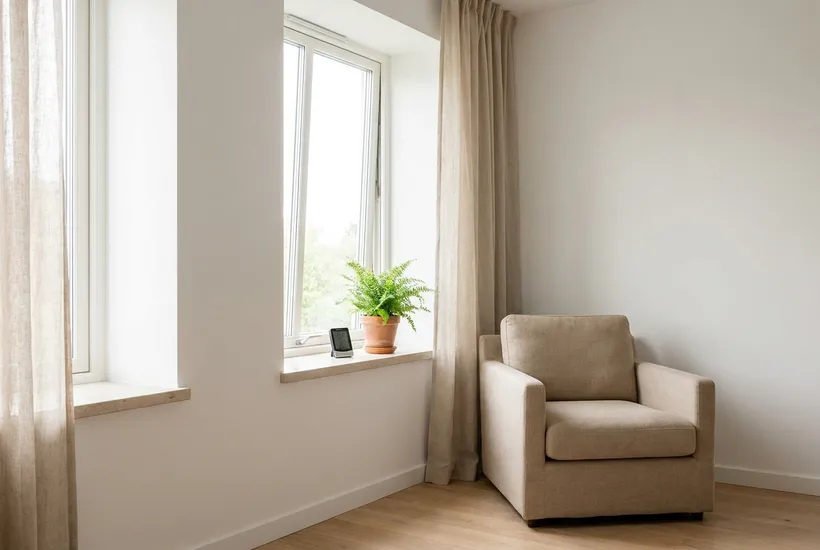
Dark patches in a bedroom corner, blistering paint by a window, a musty smell inside a wardrobe: damp and mould in Cyprus homes turn up in new flats and older houses alike. The first instinct is to scrub and repaint. But until the source of the water is found, the patch almost always comes back. Here is how to gather observations, tell condensation from a leak or water coming in from outside, and choose the right professional to inspect your home.
Where and when moisture appears: keep a record
A professional will find the cause much faster if you bring a history rather than a single photo. Start a simple log in your phone notes or on paper:
- which room and which surface shows signs: an external wall, a corner, the ceiling, the bottom of a wall near the floor, a window reveal, the wall behind a wardrobe;
- when they are most visible: in the cooler months or after rain, when the air conditioning runs for long periods or the house is closed up, and also after showers or cooking;
- what they look like: droplets on glass and cold surfaces, dark spots, tide marks, a white powdery deposit, flaking paint or plaster;
- what is nearby: a bathroom or kitchen on the other side of the wall, pipes, a water heater, a balcony or terrace above, the roof, a downpipe;
- dated photos, ideally of the same spot from the same position, so you can see whether the patch is growing.
If you have an inexpensive household hygrometer, note its readings at different times of day. The exact figures matter less than the pattern: a specialist wants to see how humidity changes after a shower, after airing the room or after rain. Photograph only the room, without people, documents or other personal details, especially if you are sending the pictures to several professionals.
Condensation, a leak or water from outside
Damp in a home usually comes from one of three groups of causes. The signs sometimes overlap, so treat the descriptions below as a starting point for a conversation with a professional, not a diagnosis.
Condensation
Moisture in the air settles on surfaces that are colder than the room. Typical signs are droplets on glass and frames in the morning, patches in the upper corners of external walls, behind furniture pushed tight against a wall, and in a bathroom without a working extractor fan. It often gets worse after showers, when laundry is dried indoors, and in the cooler season when windows stay shut.
A leak from pipes and services
Water from pipes, joints, traps, a water heater or an air conditioning drain causes a patch tied to one place that does not depend on the weather. It may grow gradually, appear under a neighbour’s bathroom or kitchen, next to a riser or below the indoor AC unit. A suspected leak is a reason not to wait: water can travel inside a structure for a long time before it shows.
Water from outside: roof, facade, ground
If patches appear or darken after rain, the source may be outside: a damaged roof or flashing, cracks in the facade, poorly sealed window reveals, blocked gutters, a terrace or balcony without a reliable fall. At the base of ground-floor and basement walls, moisture can rise from the ground, typically showing as tide marks and a deposit in the lower part of the wall.
On your own, stick to observing and recording. There is no need to open up finishes, climb onto the roof or work at a consumer unit near a wet wall: it is unsafe and can destroy the clues a professional would use to find the cause.
Ventilation and cold surfaces
In a Cypriot home the air conditioning runs in summer, and in the cooler months windows often stay closed, so moisture from showers, cooking and breathing has nowhere to go. Before the visit, check and write down:
- whether the bathroom and kitchen have extractor fans and whether they actually draw air (hold a sheet of paper to the grille);
- how and when you air the home, and whether you dry laundry indoors;
- where furniture stands tight against external walls and whether there are marks behind it;
- whether the air conditioning drain drips and where the hose ends;
- which surfaces feel noticeably colder than the rest, such as corners, lintels above windows or areas next to a balcony slab.
This helps work out whether adjusting the ventilation is enough or the building itself needs attention. A ventilation and air conditioning specialist can set up extraction and fresh air supply. How supply and extract ventilation is fitted in real homes can be seen in the ventilation and air conditioning project gallery.
Who to call for an inspection
The right professional depends on what your observations show:
- a patch near pipes, a bathroom, kitchen or water heater that does not depend on the weather: a plumber to check pipework and joints;
- condensation on windows and in corners, stuffy air, extractor fans that do not work: a ventilation specialist;
- marks after rain, problems with the roof, gutters, facade or window reveals: roofing and facade contractors;
- the cause is unclear, there are several areas affected, or you are buying a property: a building inspection, where an independent engineer will look at the property and advise which trades to bring in next.
Show the professional your log and photos, and ask which checks they propose and what those checks will reveal. Ask for the cause and the proposed work in writing, which makes comparing several offers much easier.
Why paint and a dehumidifier do not fix the problem
Fresh paint, including paint labelled anti-mould, changes how the wall looks but does not stop water. If moisture keeps getting into the structure, the marks will show through again, and paint and plaster may flake even more. A dehumidifier helps when the cause is excess humidity in the room, but it will not seal a leaking pipe or stop rainwater coming through a crack in the facade.
The right order is: find and fix the source, let the structure dry out, then restore the finishes. If you have questions about how damp may affect your health, talk to a doctor. This article is only about finding the cause in your home.
Checking after the work
Once the source is fixed, do not rush into the final decoration. Agree with the contractor how you will check the result:
- keep up the log and photograph the same spots from the same position;
- pay attention to the first heavy rain and to the cooler season, as that is when the problem showed before;
- check that the extractor fans work and that no condensation forms on the windows;
- keep the description of the work and before-and-after photos: they will be useful if marks return, and when you sell the property.
Should patches reappear, show the log to the same contractor: there may have been more than one source.
Frequently asked questions
How can I tell condensation on a wall from a possible leak?
Condensation tends to form on cold surfaces (windows, external corners, behind furniture) and depends on indoor humidity: there is more after showers and on cool days. A leak is usually tied to pipes or a water source and has nothing to do with the weather, while water from outside shows up after rain. The signs can combine, so a professional inspection is the way to pin down the cause.
Why does mould come back after repainting?
Because paint does not remove the source of water. As long as the wall keeps getting wet from condensation, a leak or rain, the marks will come through. Find and fix the cause first, let the wall dry, and only then redecorate.
What information should I prepare for a damp specialist?
A list of affected spots, dated photos, a note of when the marks get worse (rain, showers, season, air conditioning use), details of pipes and rooms nearby and, if you have one, hygrometer readings. The more detailed the log, the faster the specialist can narrow down the causes.
Describe your task on Cozy: where the damp appeared, when it is noticeable, and add photos. Compare the profiles and completed work of plumbers, ventilation, roofing and building inspection specialists, and choose who to invite for an inspection.
Other articles
How to waterproof a flat roof and stop leaks
Flat concrete roofs overheat in summer and leak with the first winter storms. Here is why it happens, which materials to consider and how to prepare a roof for ...
Roofing and facade works