



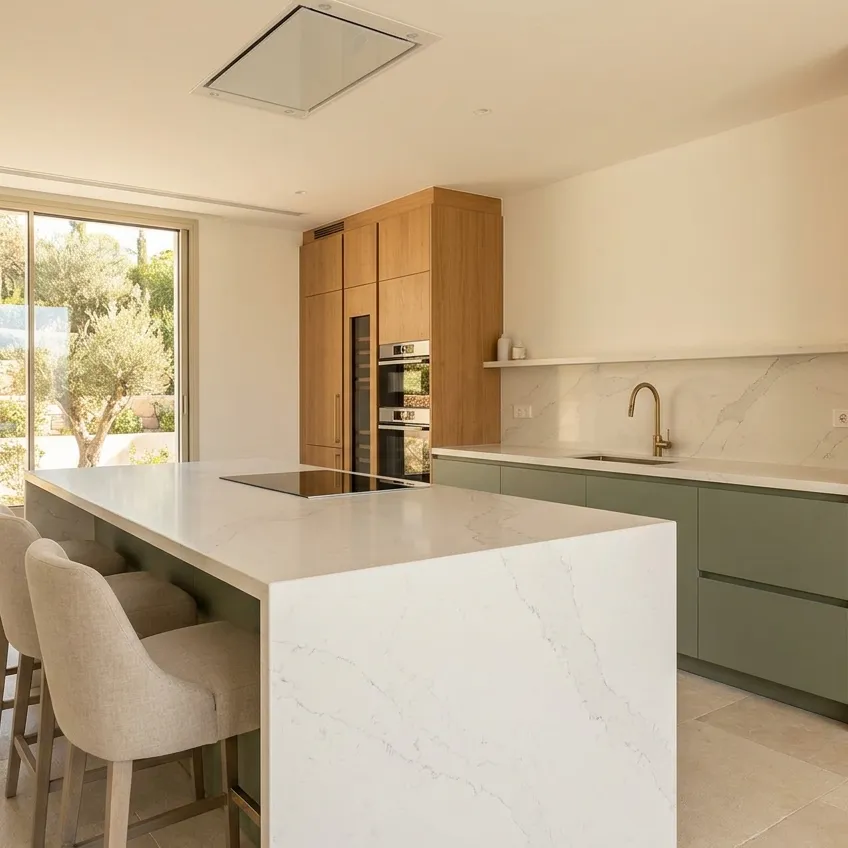

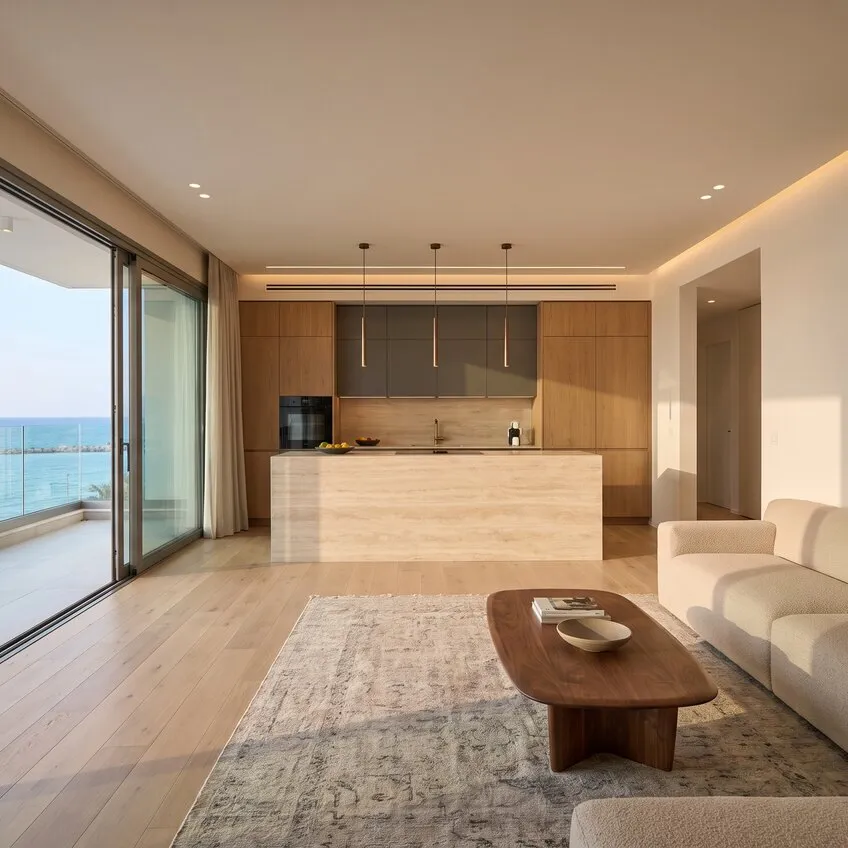

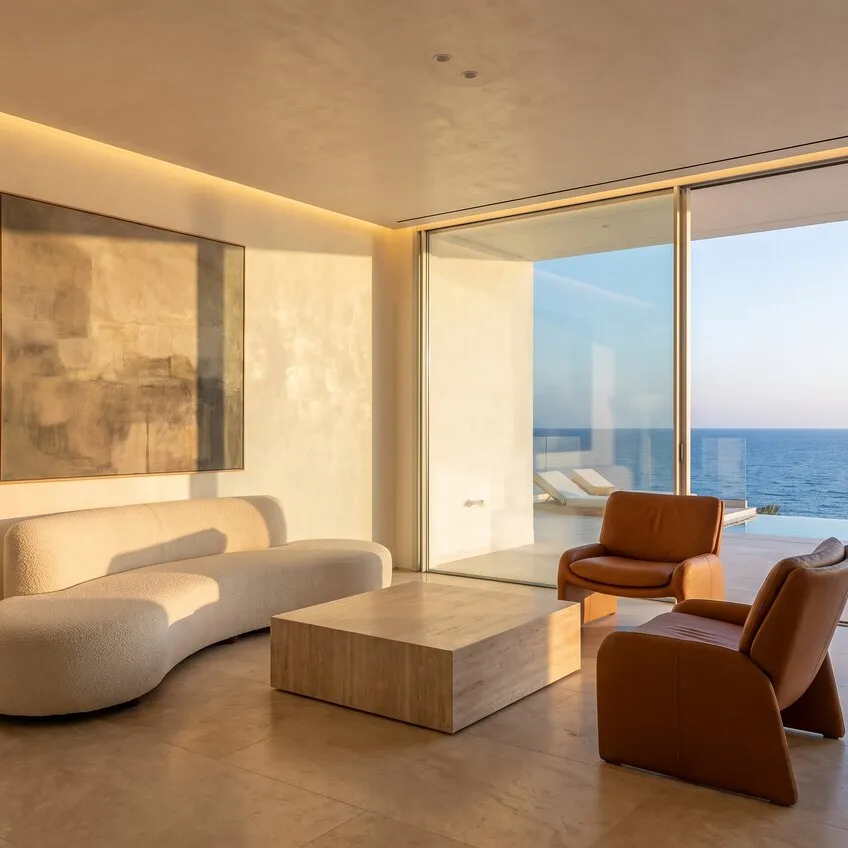
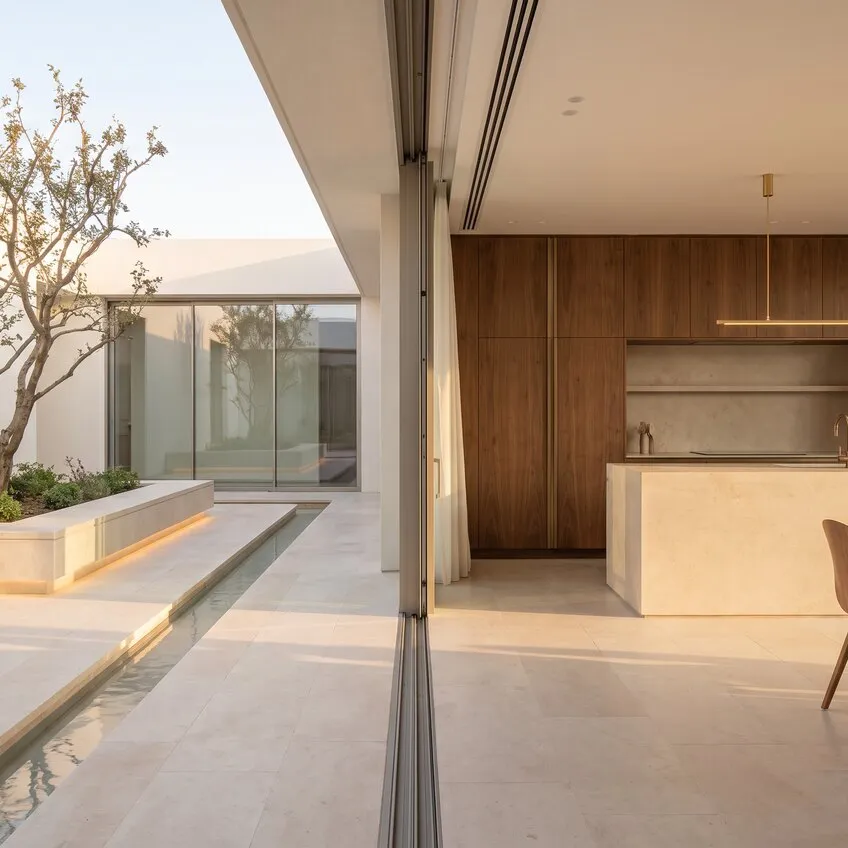
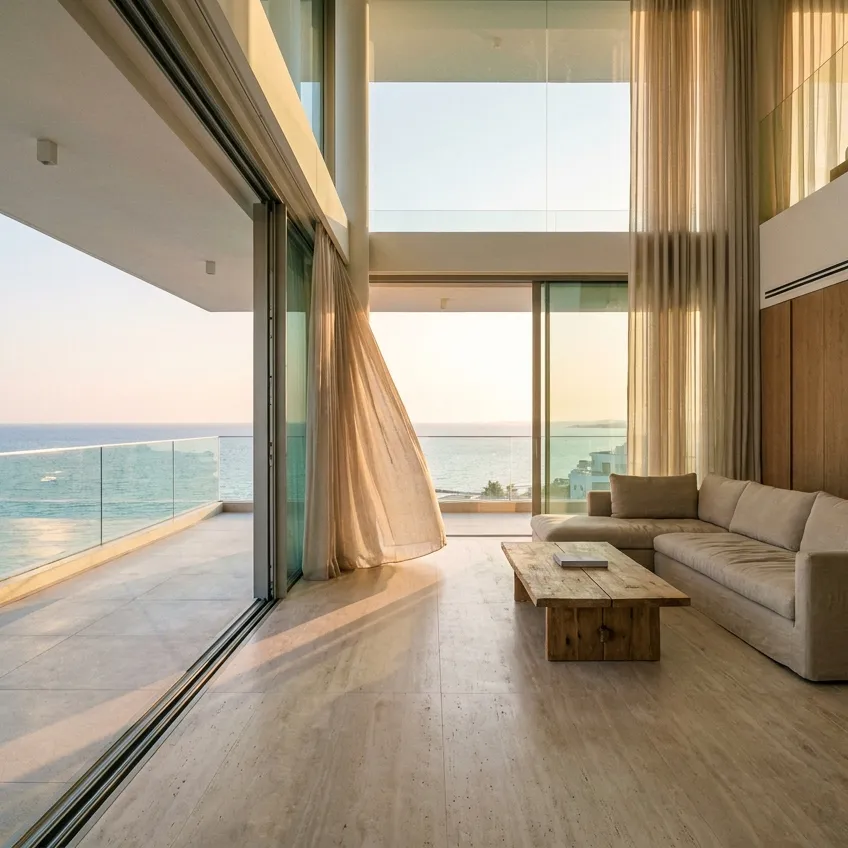
A smart home in Cyprus is not a collection of separate gadgets but a connected system that controls lighting, air conditioners, blinds, gates, cameras and other devices on a schedule, by sensors or from your phone. The “Smart home systems and automation” section of Cozy brings together integrators, electricians and low-voltage engineers who design, install and set up home automation in flats, villas and small offices, from a full system to a single smart home video doorbell installation.
Automation is especially useful when a home often stands empty: owners who do not live in Cyprus all year and landlords can check the temperature remotely and switch on the air conditioning before guests arrive, as well as issue temporary access and get an alert about a water leak.
The work is done by the integrator you hire, not by Cozy, and a job post built around the scenarios you want gives them something concrete to price.
Smart home systems: what you can automate
Start not with the hardware but with scenarios: what the house should do on its own. Typical tasks:
- lighting: groups, dimming, scenes such as “evening”, “movie” and “all off” by the door;
- climate: controlling air conditioners and underfloor heating by room, schedule and open-window sensors;
- curtains and blinds, as well as awnings, that close during the hottest hours;
- security and access: video intercom, smart lock, cameras, motion and water leak sensors;
- garden irrigation, the pool pump and energy monitoring.
Compatibility and how the system is integrated
The system is built either on a wired bus, laid during renovation or construction, or on wireless devices added to a finished interior. Wired is more reliable and suits villas and full renovations; wireless lets you start with a few rooms and expand step by step. How to start small without overpaying is covered in our article “A smart home without overspending: where to start”.
All devices should work in one ecosystem or connect to a shared controller. The specialist will check whether your existing air conditioners, gates and intercom are compatible and suggest how to bring them into one app without replacing everything.
Control, network and working offline
A smart home needs a stable network: Wi-Fi without dead zones and wired connections for cameras and the controller. You can hand this to low-voltage systems and network specialists. A good system keeps running basic scenarios from a local controller even when the internet drops, and wall switches always work.
Setup, access and support
After installation, the integrator configures scenarios around your routine, grants rights to family members, a property manager or guests, and shows you how to change schedules yourself. Ask in advance who will update the system and make changes, whether you keep the passwords and admin access, and how to get help if something stops working.
Choosing a smart home integrator
Look for experience with similar properties: automating a villa with a pool and a couple of rooms in a flat are jobs of different scale. Check reviews, ratings and photos of completed work: distribution boards, wiring and finished control interfaces.
An integrator will want to see a floor plan and a list of the things you want the house to do by itself. Note the make and model of the air conditioners, gates and intercom you already have, and give a budget range. Mention whether renovation is under way: that decides whether cables can be run or wireless solutions are the better choice.