









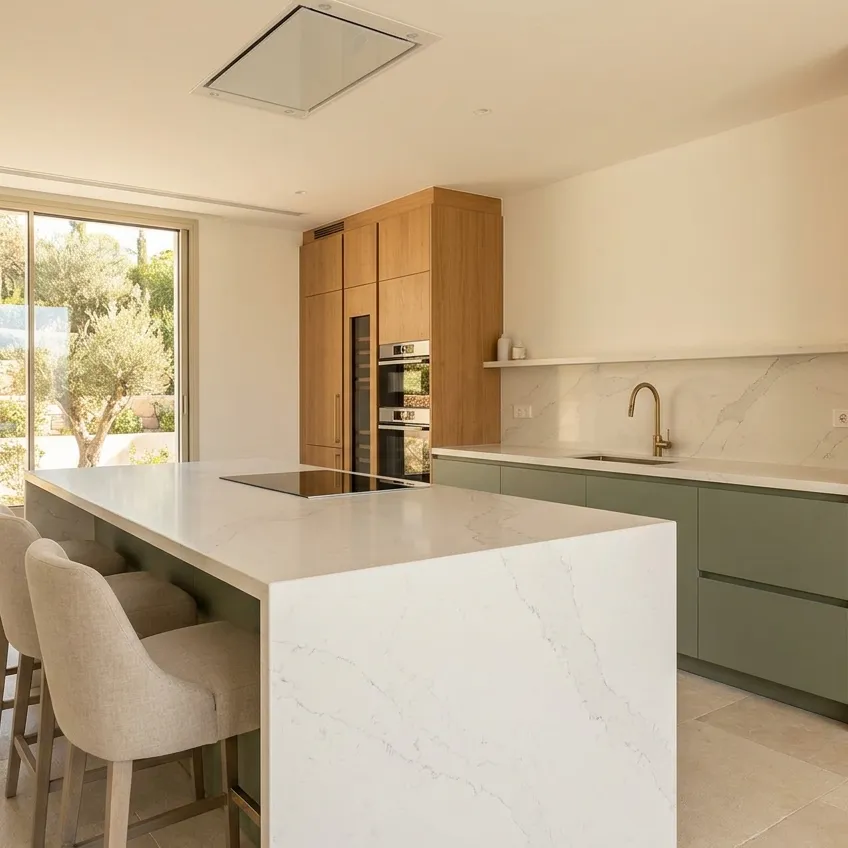

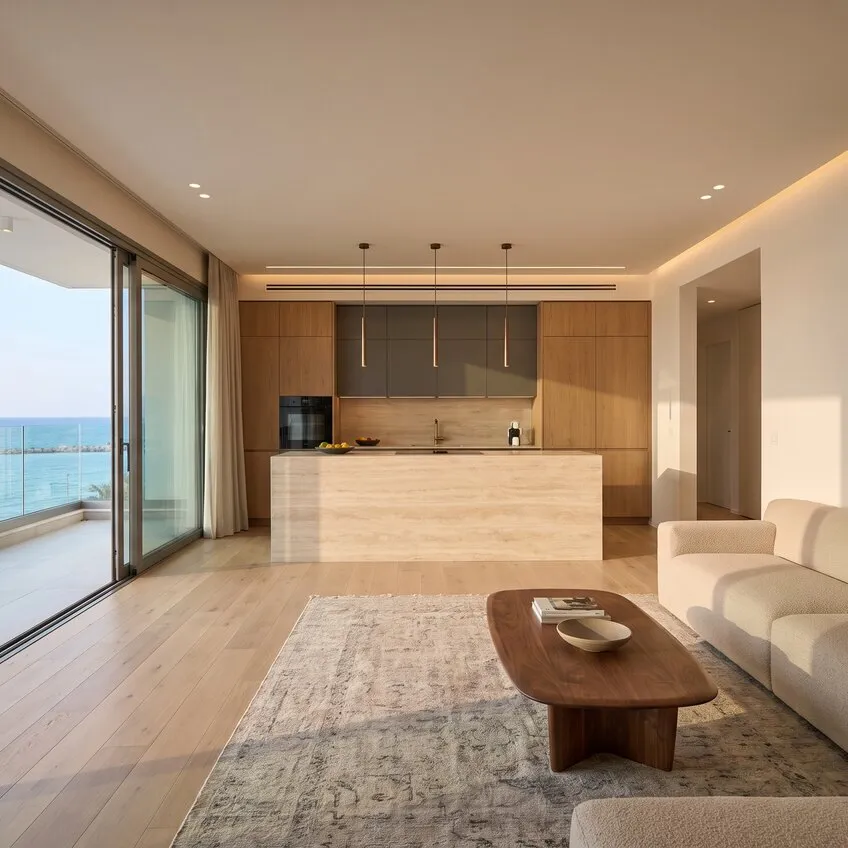

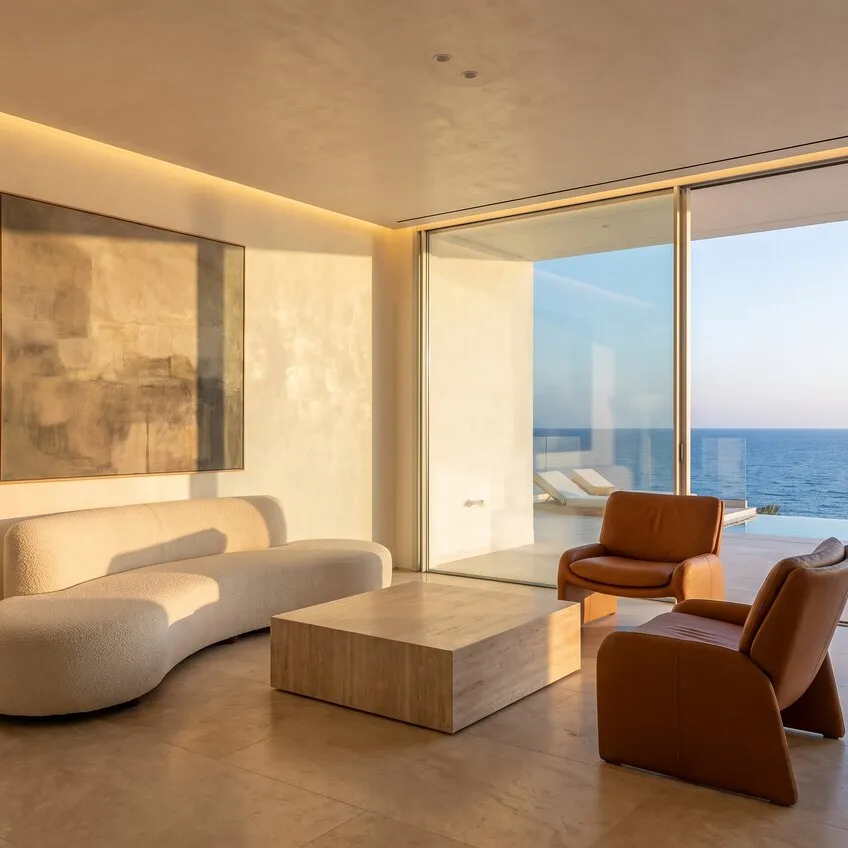
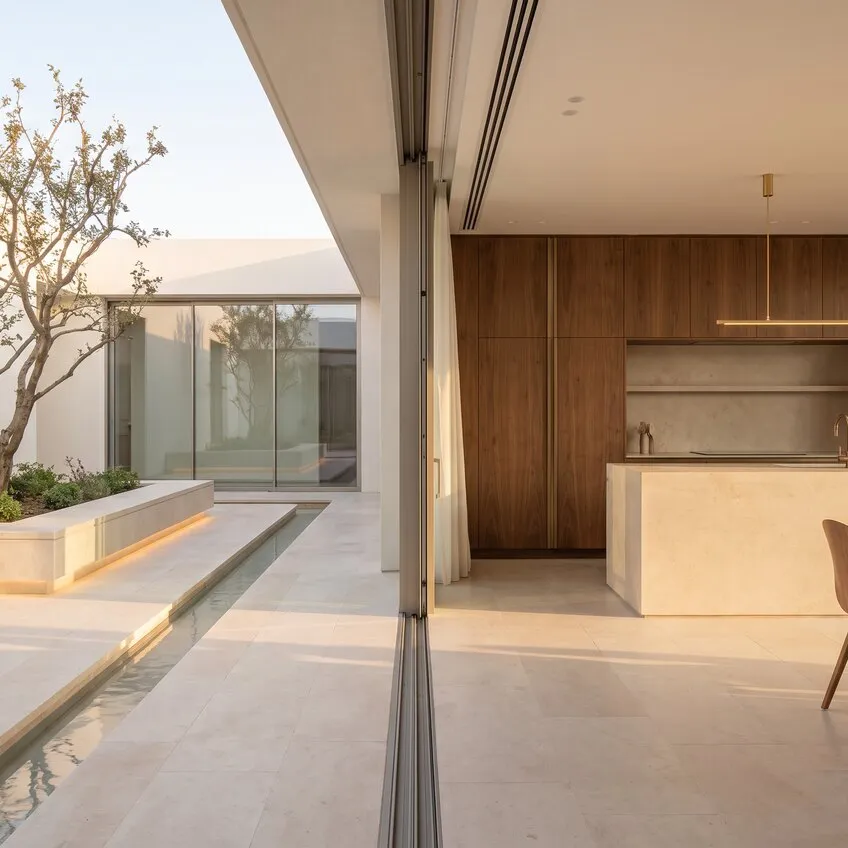
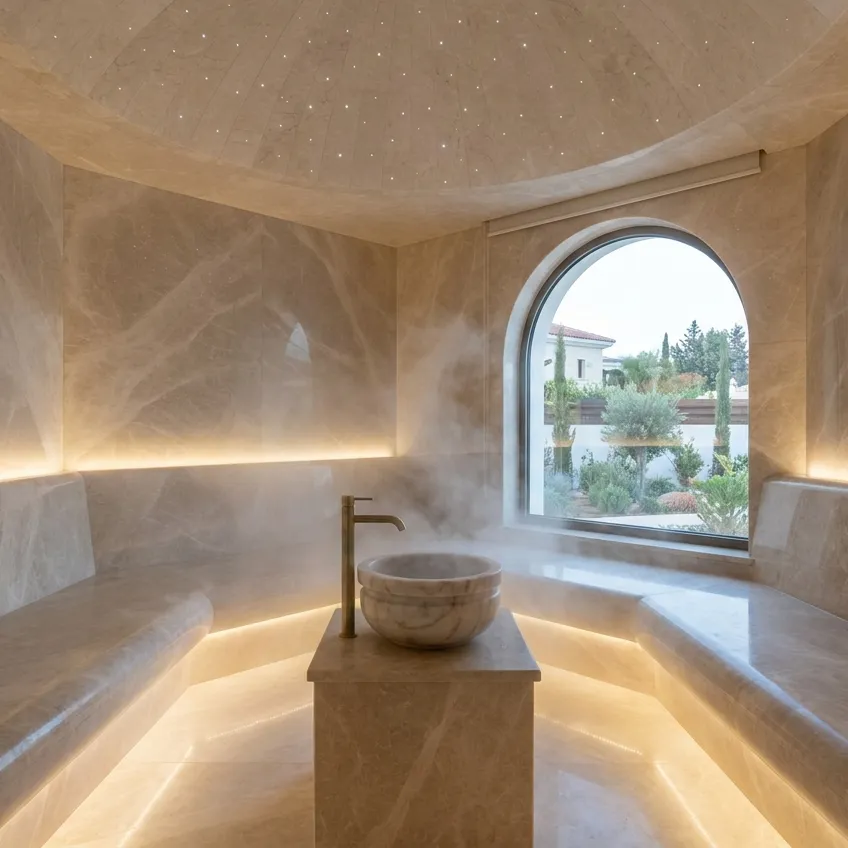
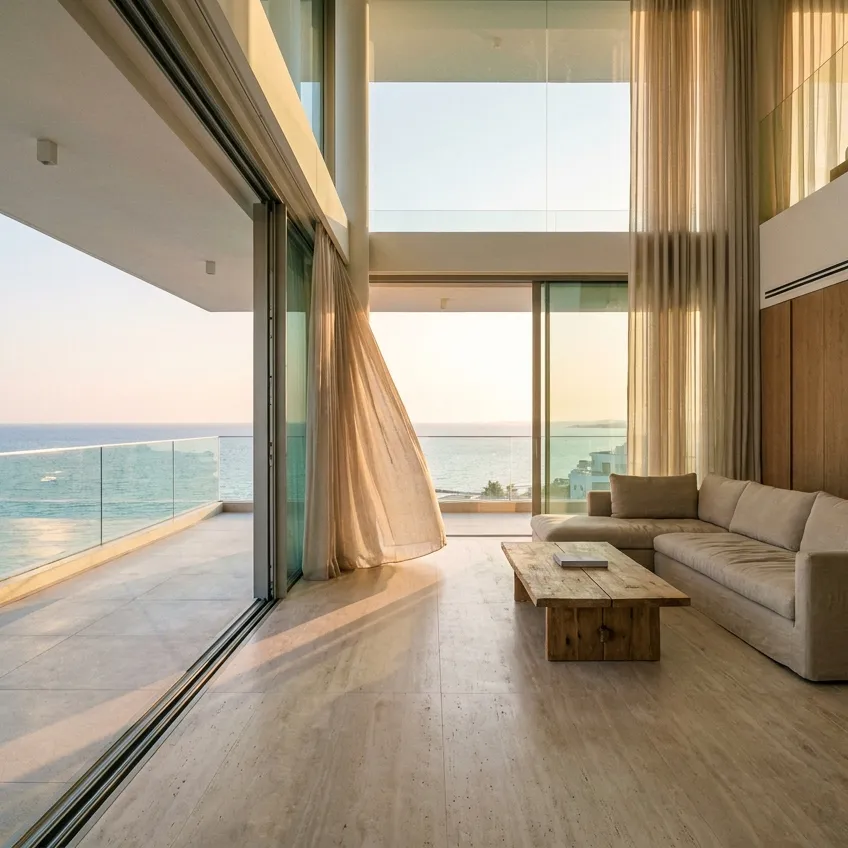
Interior finishing covers everything that turns a space from first fix and building services into a home ready to live in: preparing surfaces, plastering and skimming, painting, wall and ceiling cladding, drywall, flooring and tiling, decorative details. Cozy brings together interior finishing tradespeople and crews in Cyprus, working on flats, villas, rental apartments, offices and shops. Their profiles show photos of their work alongside reviews and ratings, and list prices.
Finishing starts once the electrics, plumbing, ventilation and air conditioning are done: chases are filled, runs are in place and outlets are where they should be. Start earlier and fresh walls will have to be opened up again. So before work begins, walk the site with the tradesperson and make sure all concealed work is finished and photographed.
This section brings together every type of interior finishing. If you need a turnkey renovation with layout changes, new services and one contractor for the whole property, look in the renovation sections. Here it is easier to find tradespeople for specific finishes or a crew to handle the entire second fix. Details for each finish (plastering and painting, cladding, drywall, flooring and tiling) are in the relevant subsections.
What interior finishing includes
- surface preparation: stripping old finishes, levelling, priming, waterproofing wet areas;
- walls: plastering and skimming before painting or decorative finishes, as well as panelling and cladding;
- ceilings: painting, drywall and suspended systems, recesses for lighting and air conditioning;
- floors: screed or levelling; tiles, laminate, engineered wood, vinyl, skirting;
- final details: window reveals, mouldings, doors; fitting sockets and light fittings after painting.
Finishes are chosen for the conditions in each room. In the local climate, resistance to humidity and temperature swings matters, especially near the sea and in homes that stay closed for part of the year; paint in sunny rooms needs colour stability, and floors by the terrace doors need to be hard-wearing and easy to clean.
Sequence of work and junctions
Work usually runs from top to bottom and from “dirty” to “clean”: ceilings and walls first, then floors, and finally skirting, doors and ironmongery. Most problems arise where different trades meet: who handles the junction between tiles and a painted wall, who fills the holes left by the electrician, who trims the doors after the floor goes down. These boundaries are best agreed in advance, and materials need time to dry between stages: plaster, screed and paint all take time, and rushing shows up later as cracks and patches.
Choosing a finishing crew or tradesperson
Look at experience with similar jobs and materials, reviews, rating and photos of finished work: close-ups of joints, corners and junctions say more about quality than wide shots. For a single finish, a specialist tradesperson is easier; for the whole second fix, a crew that coordinates itself. Compare quotes finish by finish: what preparation is included, who buys the materials, whether waste removal and cleaning are covered.
The clearest brief is a room-by-room list of finishes on a floor plan with areas, plus photos of the current state and examples you like. Add your preferred timing, so crews can say honestly whether they are free.