
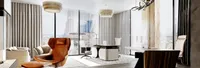




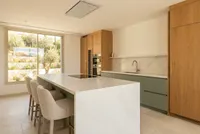


Wardrobes in Cyprus can be made for a specific alcove, wall or room: from a sliding-door wardrobe in the hallway to a walk-in closet with open systems in the bedroom. Fitted wardrobes built to size use the full height from floor to ceiling, work around slopes, beams and window sills, and reflect how many clothes and shoes you own. Cozy brings together furniture workshops and wardrobe system specialists.
The maker usually handles the whole job: survey, design, manufacture of the carcass and doors, interior fittings and installation. Cozy does not sell or make wardrobes itself. Pantries and other built-in storage, as well as assembly of ready-made wardrobes, have their own sections.
Wardrobe design: survey and layout
During the survey, the maker checks how level the walls, floor and ceiling are, where sockets, switches and air-conditioning lines run and how the room door opens. The final measurements are taken after the finishes are complete, especially if a fitted wardrobe will have no back panel. The interior is planned around your belongings:
- hanging rails for long and short garments at different heights;
- shelves and drawers for underwear and knitwear;
- pull-out shelves or racks for shoes;
- top cupboards for suitcases and seasonal items;
- trouser racks, baskets and space for an ironing board or vacuum cleaner.
Doors and sliding systems
A sliding-door wardrobe saves space in a narrow hallway or bedroom where a hinged door has no room to open. Hinged doors give access to the whole wardrobe at once and are easier to maintain. A walk-in closet can do without doors altogether, in which case neat lighting and tidy shelving matter more. Doors are made from melamine board, painted MDF, mirror, glass or combinations; a mirror makes a small room look larger.
Sliding systems run on a bottom or top track, and their quality determines whether the doors glide smoothly and quietly. In the humid coastal climate of Cyprus, ask what metal the tracks are made of and whether they are protected against corrosion, and in a walk-in closet plan ventilation so clothes do not get damp.
Installation and adjustment
Fitted wardrobes are fixed to the walls, floor and ceiling, so the maker needs to know where hidden pipes and wiring run. After installation, doors and drawers are adjusted: gaps should be even and sliding doors should not roll on their own. It helps when the maker is willing to come back for a follow-up adjustment after the first months of use, once the furniture has settled.
Choosing a wardrobe maker
Look in the portfolio for wardrobes and walk-in closets similar to yours: a sliding wardrobe in an alcove, a corner unit, a separate dressing room. Read reviews about installation and how the mechanisms work, check the rating and close-up photos: interior fittings, gaps, edging. Since the maker comes to measure and install, make sure your address falls within their service area.
What goes inside decides the interior layout, so start with a list: long coats, folded clothes, shoes, suitcases. Then add the measurements of the alcove or room, photos, a few wardrobes you like and your budget. Ask whether the offer includes the survey, interior fittings, lighting, delivery and installation: this makes offers easier to compare.