






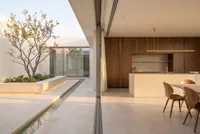
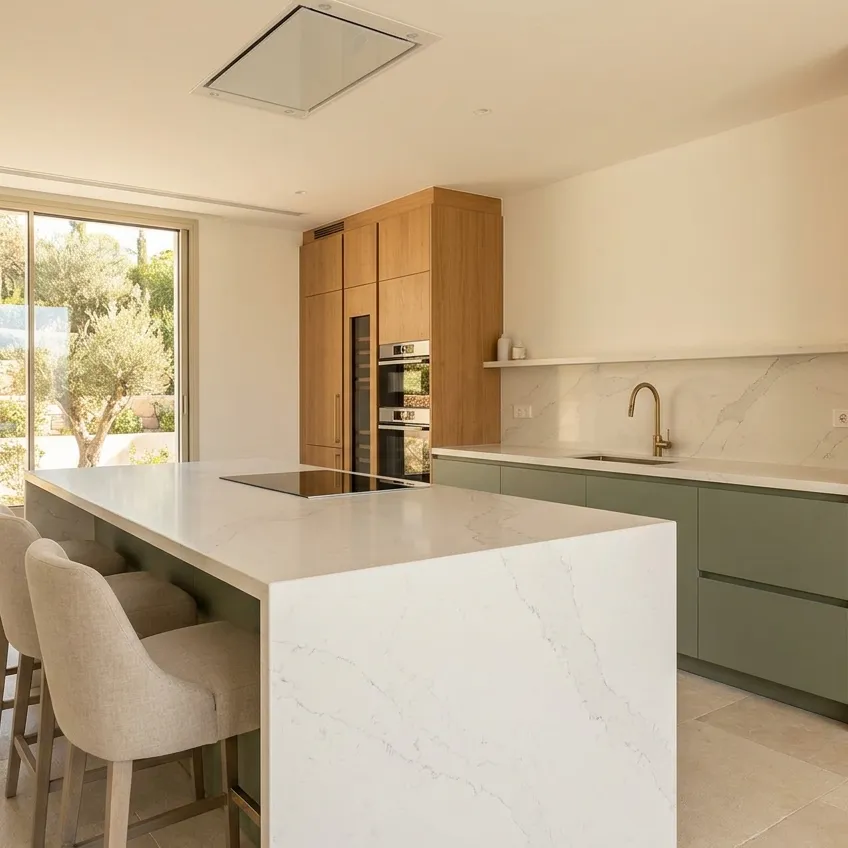

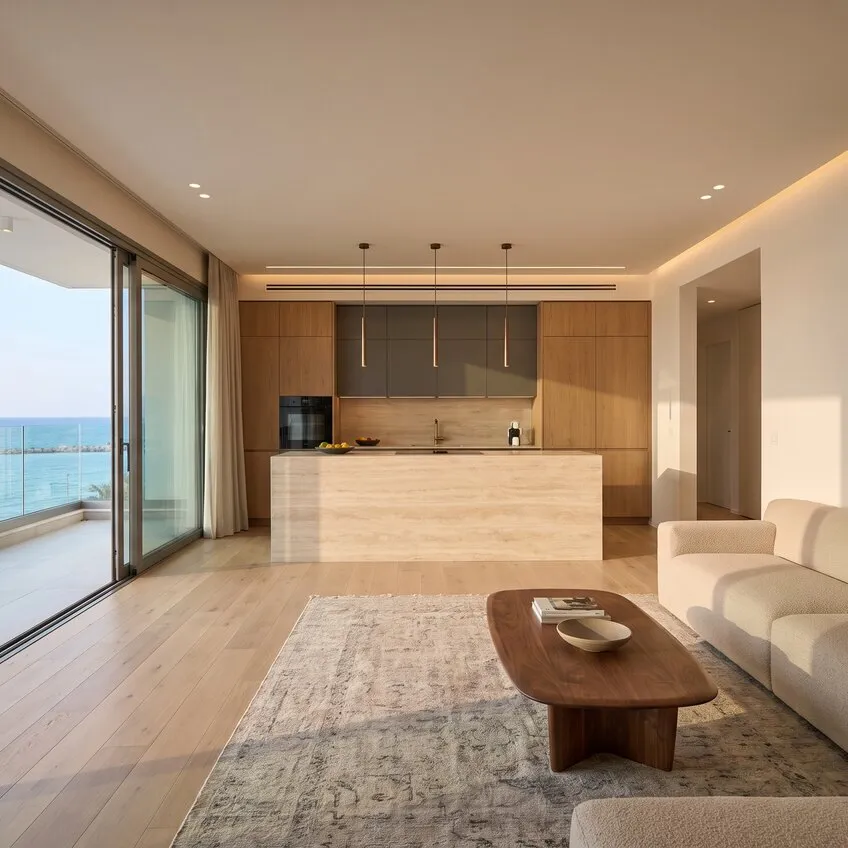
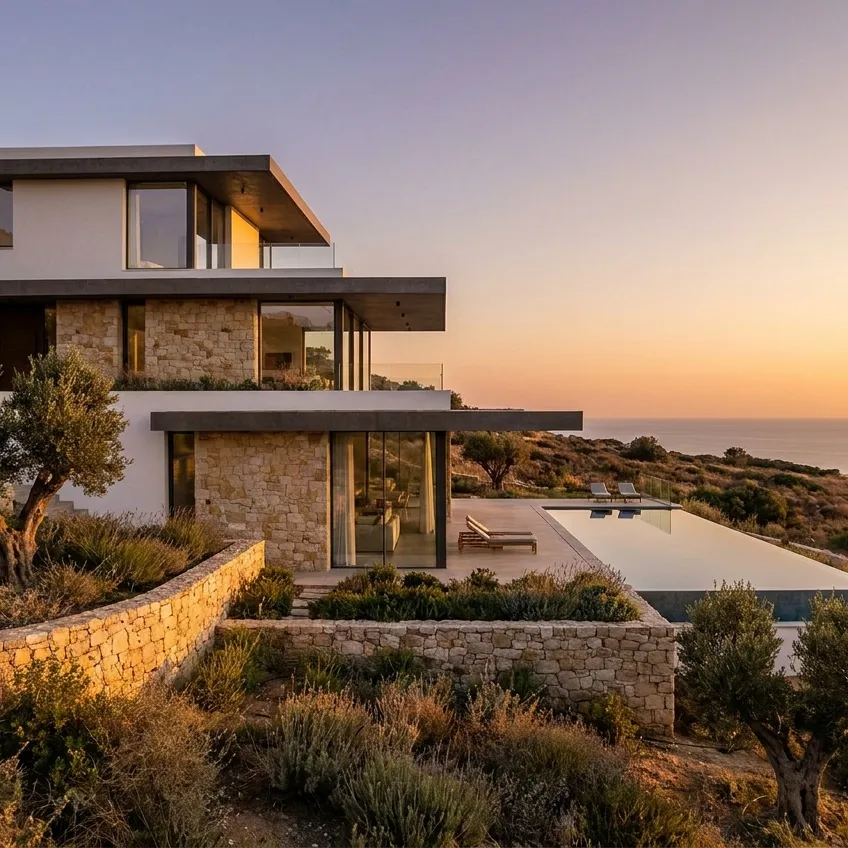
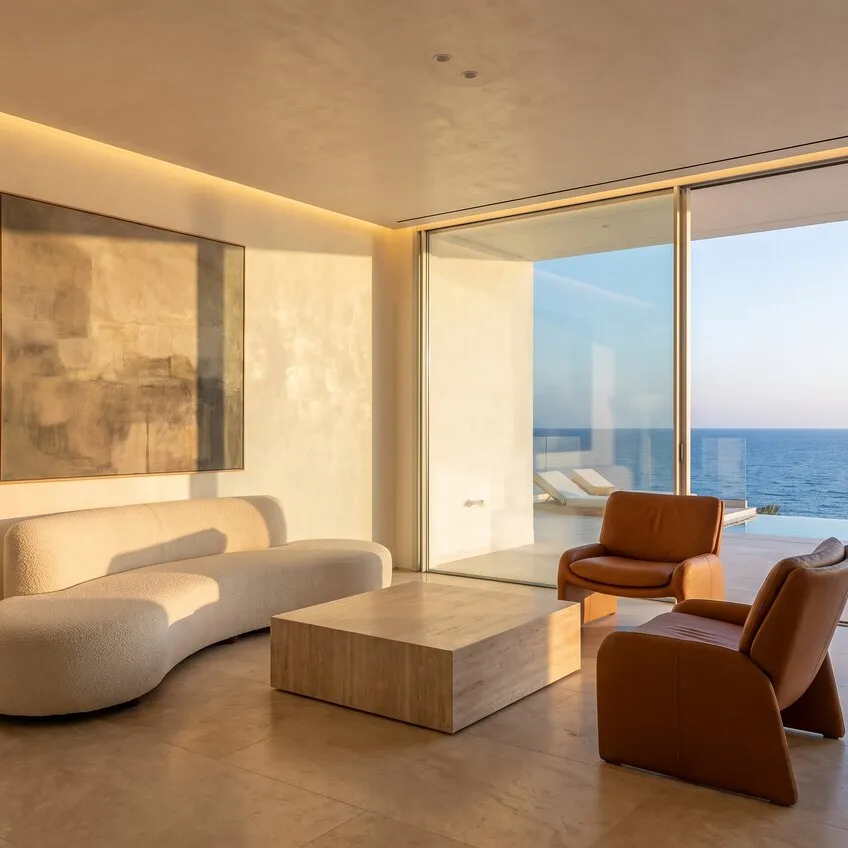
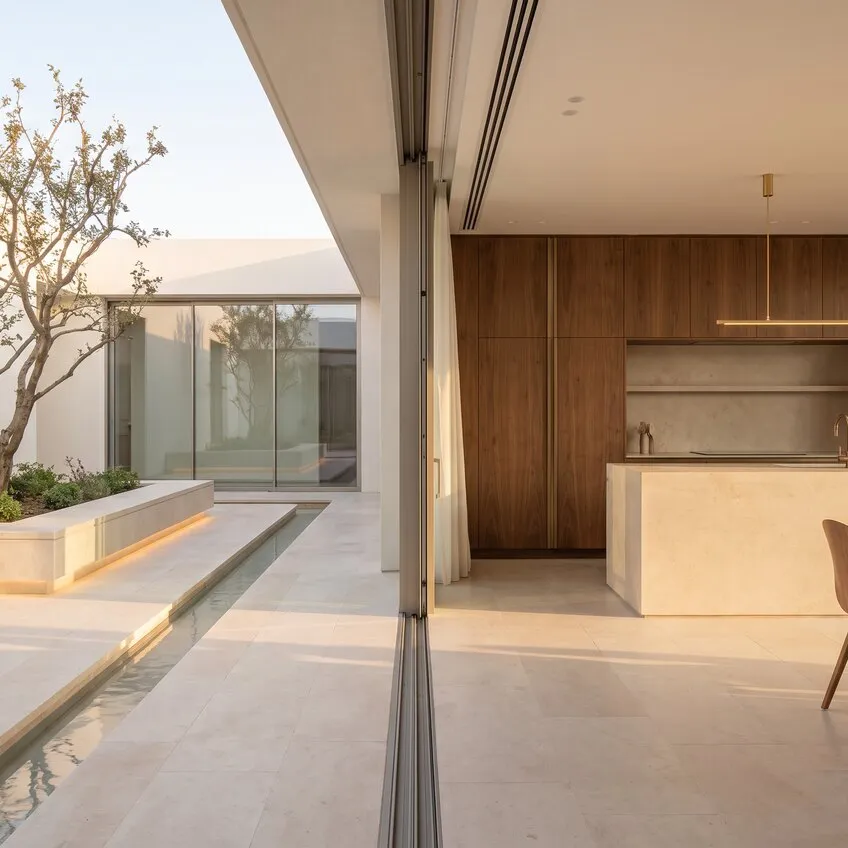
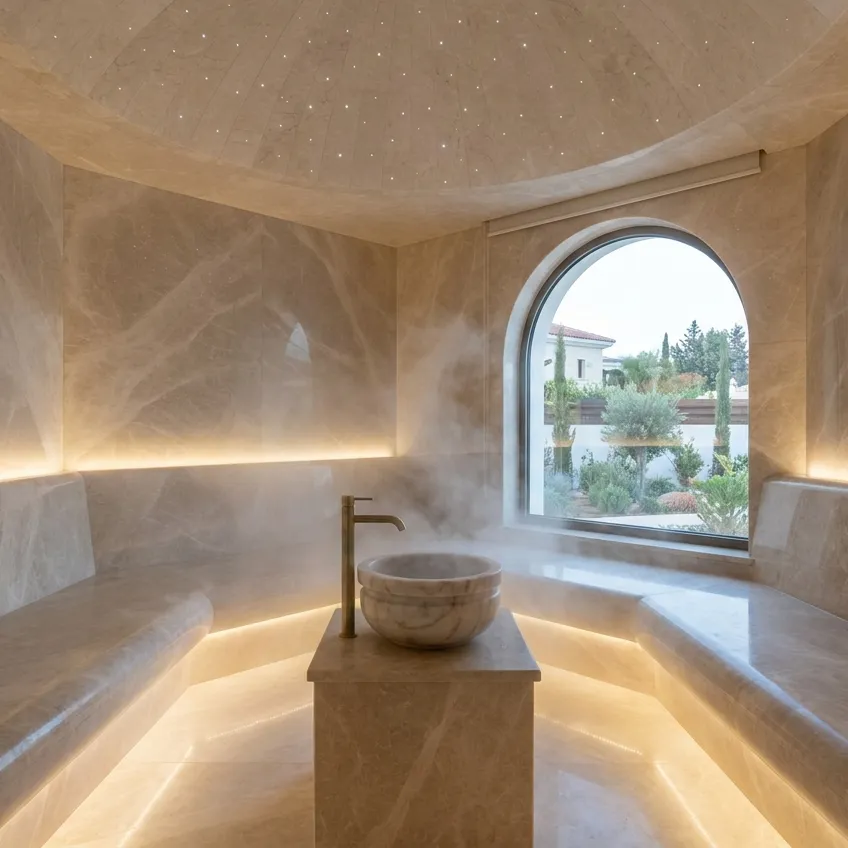
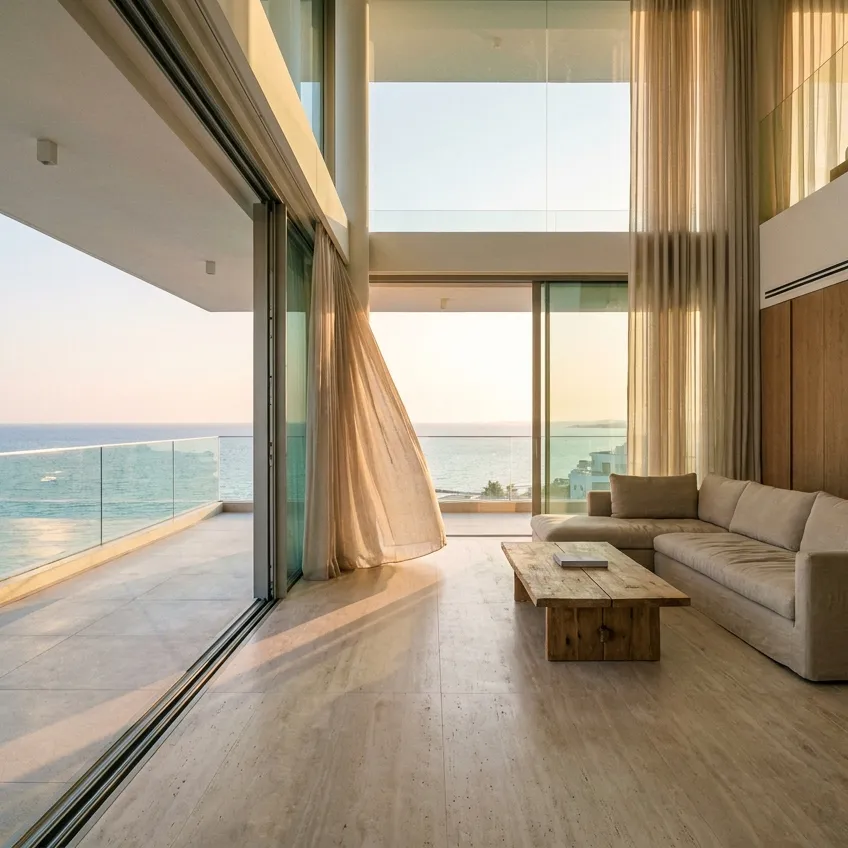
Interior design supervision means the author of the interior project stays with the renovation: the designer visits the site regularly, checks the work against the drawings and helps with the decisions that come up along the way. Cozy brings together interior designers in Cyprus who see their own and other designers’ projects through to the final furniture placement. Their profiles show portfolios of completed homes, reviews and service prices.
Even a detailed project cannot answer every question in advance. A wall turns out not to be where the survey showed it, the chosen tiles are out of stock, the electrician suggests moving sockets to make cable runs easier. Without the designer, the crew makes these calls, and the interior slowly drifts away from the concept. Supervision protects the idea: the proportions, light, materials and details you paid the project for.
Clients book the service for flats and villas, rental apartments, offices and small commercial spaces. It is especially useful if you live abroad or cannot visit the site often: the designer becomes your eyes on the renovation and flags problems before they disappear behind the finishes.
How it differs from technical supervision
Your designer is responsible for the interior matching the project: dimensions, set-out, finishes, colours, lighting and furniture. They do not check structural strength or the quality of concealed building services, and they do not sign off the works as an engineer. That is the job of technical supervision. Supervising the construction of a building to an architectural design is a separate service provided by an architect. On large renovations these roles complement each other.
What design supervision includes
- site visits at key stages: after setting out, before walls are closed up, during final finishes and while furniture is installed;
- checking completed work against the drawings: partitions, openings, electrical and plumbing points, ceiling heights;
- answering the builders’ questions and detailing junctions that are missing from the project or have changed on site;
- approving substitutions for materials, furniture and light fittings without losing the style or breaking the budget;
- a change log and short photo reports after each visit.
How often the designer visits depends on the scope of the renovation and what you agree: some designers work to a fixed schedule, others come at key stages and on call. The result is an interior that matches the project and a clear record of decisions: what changed, why and who approved it. If you also want the designer to order furniture, lighting and decor, ask whether they offer interior procurement, which is a separate service.
Finding a designer to supervise your renovation
Look for experience with similar work: a flat, a villa or a commercial space, the scale of the renovation, the style. Read the reviews (especially how the designer ran the site and worked with the crew) and check the rating and photos of completed interiors, not just renders. If someone else designed the project, ask whether the specialist is willing to supervise another designer’s drawings.
Send the designer the project or at least its main drawings, the renovation schedule, your contractor’s contacts and the questions that have already come up on site. Say how many visits you expect and whether you need online reports. With the number of visits stated up front, offers from different designers become directly comparable.