




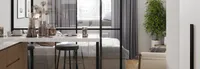

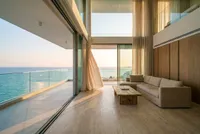
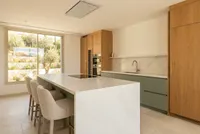
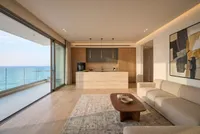

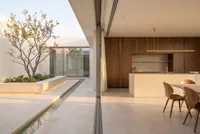
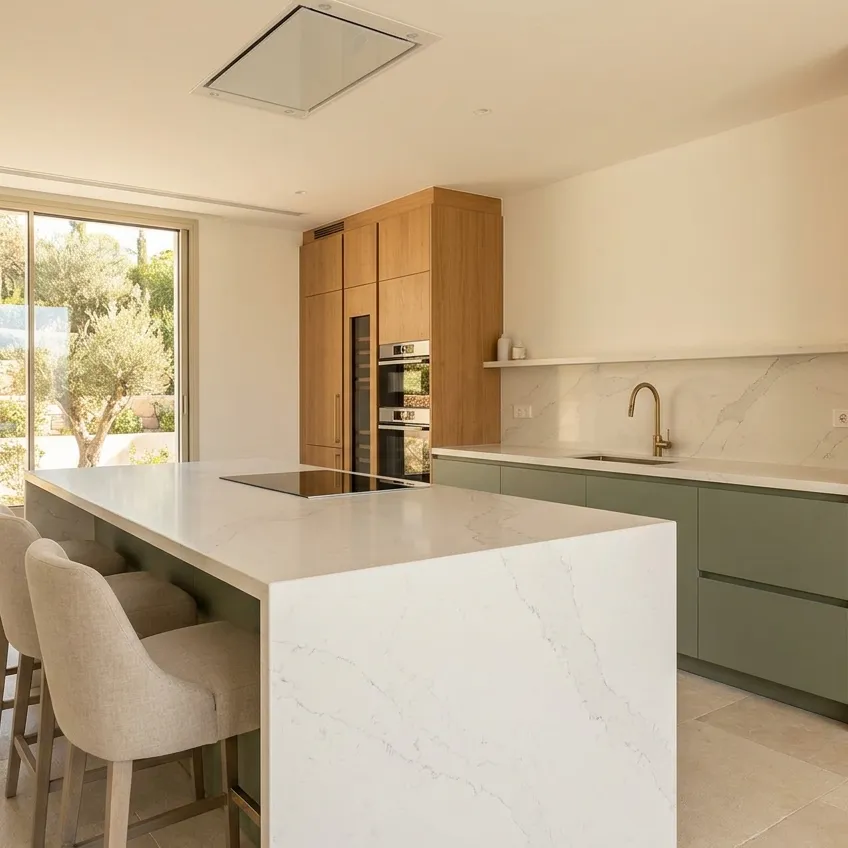
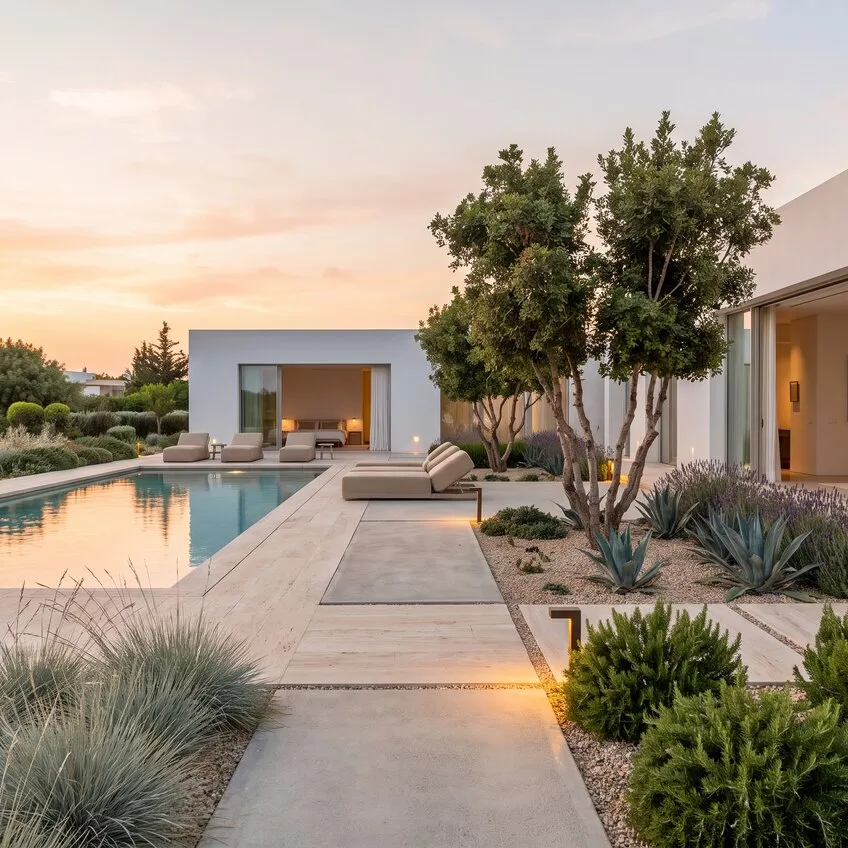
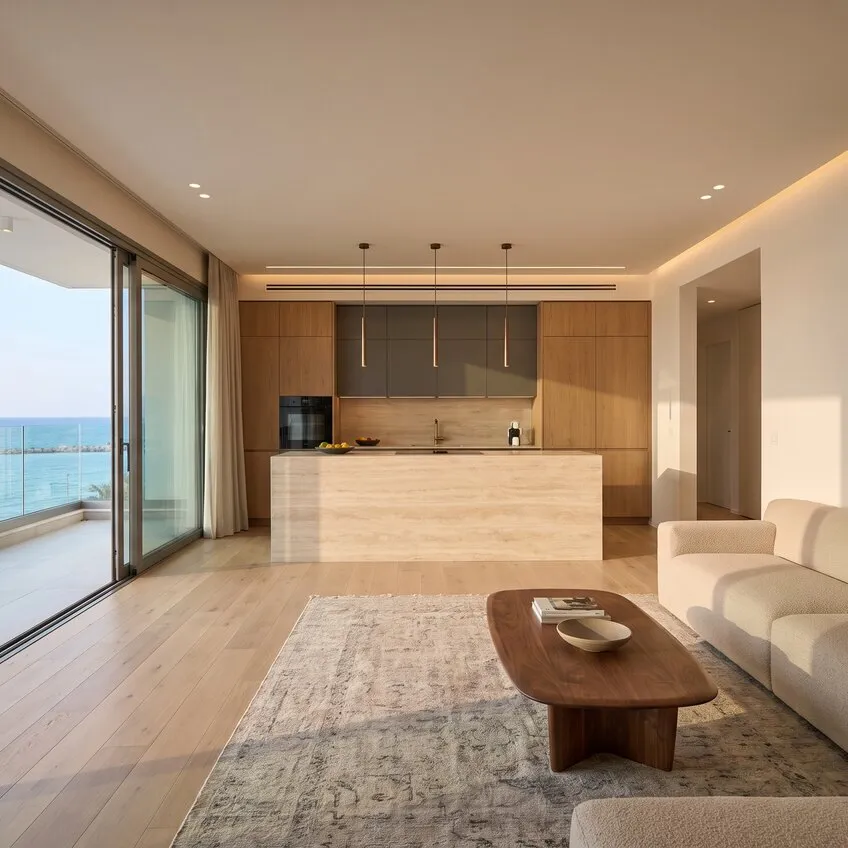
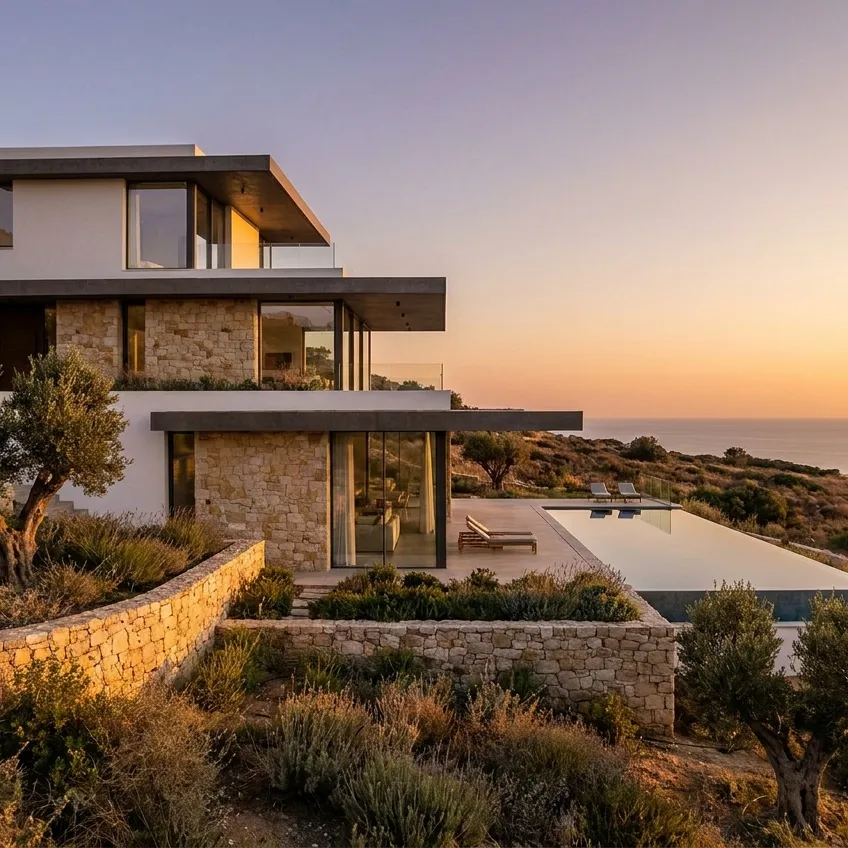
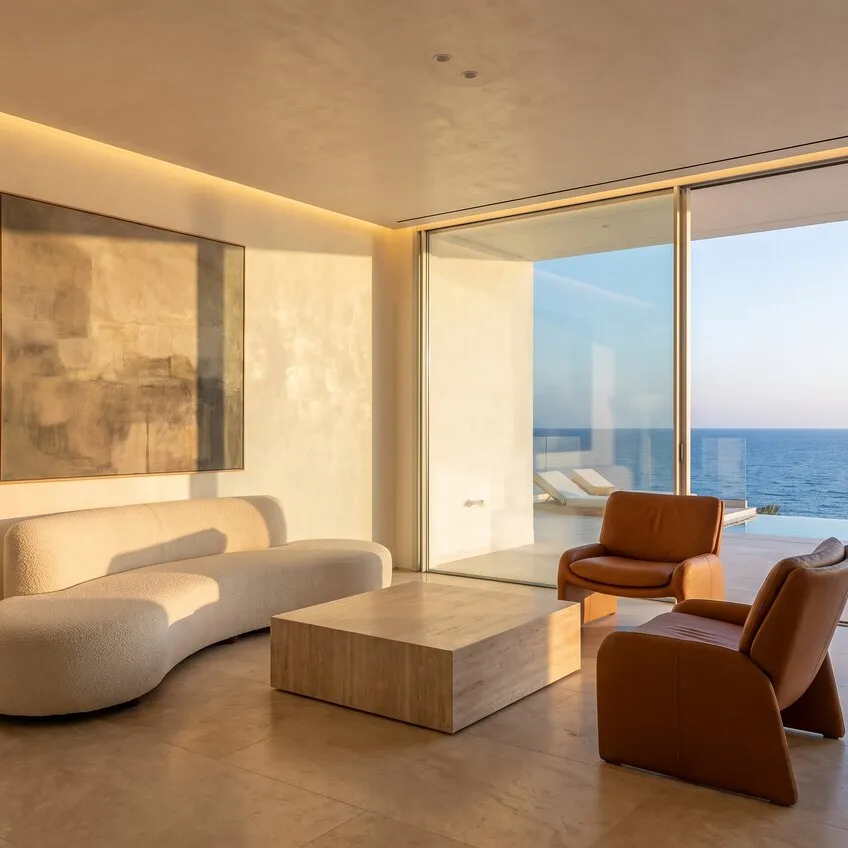
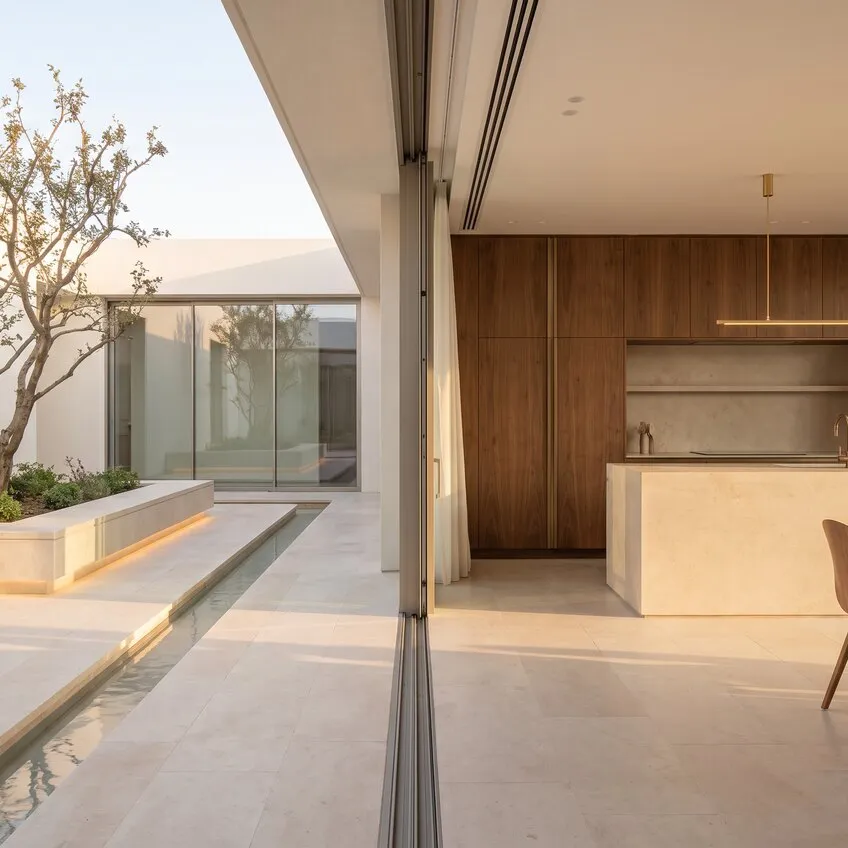
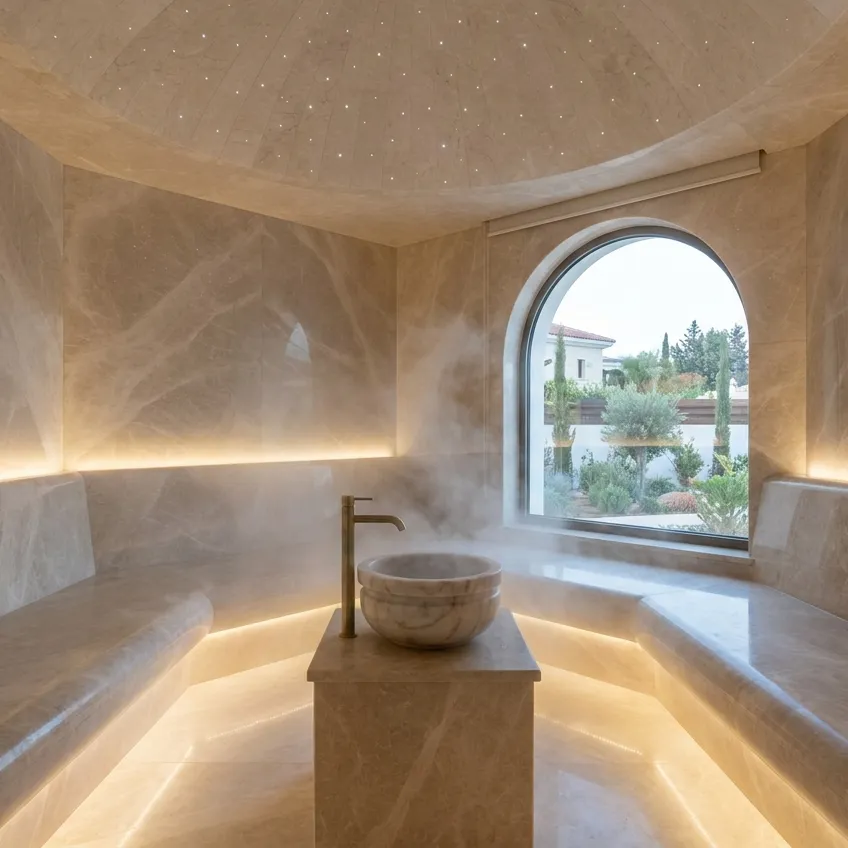
Cozy is a catalog of interior lighting design professionals in Cyprus for anyone who wants to plan their lighting before the renovation, the electrical work or the choice of light fixtures. Lighting affects more than how an interior looks: it determines how practical the kitchen is, how well the workspace works, the atmosphere of the living area, safety in the bathroom, how the finishes are perceived and how comfortable the space feels in the morning, during the day and in the evening.
Interior lighting design helps you avoid a situation where, after the renovation, the room has beautiful finishes but is awkward to use. A common problem is a single chandelier in the middle of the ceiling that does not light the work surface, does not help with reading, casts shadows at the mirror and cannot create a calm evening mood. A lighting designer looks at the space through real-life scenarios: where you cook, work, relax, apply makeup, read, host friends or choose products.
Interior lighting should work in layers. General lighting provides the base level of brightness, task lighting serves the kitchen countertop, desk, mirror, wardrobe or workspace, and decorative lighting sets the mood and creates accents. This is how flexible interior lighting design comes about: one room can be used in different ways without unnecessary fixtures or random decisions.
What the professional plans
Work starts with an analysis of the layout, furniture, ceiling heights, windows, finishes and the needs of each zone. An interior lighting designer considers not only the shape of a fixture but also the luminous flux, color temperature, beam angle, switch positions, switching groups and ease of maintenance. In the kitchen, countertop lighting is key; in the bedroom, soft bedside light; in a study, no glare on the screen; in the hallway, safe movement at night.
Lighting scenes help you avoid living in a single “everything on full” mode. In the living room, you can separate lighting for cleaning, relaxing, watching a film and socializing. In the bathroom — general light, mirror lighting and softer accent lighting. In a commercial space, lighting can highlight products, guide visitors and emphasize the reception, a display, a counter or a waiting area.
What lighting design includes
Lighting design for a space should be done before the electrical wiring is run and the ceilings are installed. At this stage, the professional prepares a room lighting plan that shows which fixtures are used, where they are placed and which areas they light. A separate fixture layout, a switching group diagram and recommendations on fixture types, wattage, color temperature and switch positions may also be prepared.
A fixture layout plan helps coordinate the work of the designer, the electrician, the builders and the client. Without it, mistakes are easy to make: placing a fixture over a walkway instead of a table, forgetting the wardrobe lighting, putting a power point where the mirror will not be, or choosing a fixture that dazzles instead of illuminating. That is why an interior lighting project is best treated as a working tool, not a decorative add-on to the renovation.
Functional, decorative and architectural lighting
In a good project, different types of lighting do not compete with each other. Functional interior lighting ensures comfort and safety: work surfaces, walkways, storage areas, stairs, bathrooms, studies and service areas. Decorative interior lighting adds depth, softness and accents but does not replace functional light where proper brightness is needed.
Architectural interior lighting is used separately. It helps emphasize niches, wall textures, ceiling lines, stairs, panels, shelving or the volume of furniture. If you need architectural or decorative lighting selected, the professional considers not only how the fixtures look but also how they will perform in the real space.
How to choose a professional on Cozy
On Cozy you can find a professional for an apartment, a house, an office, a shop, a café or any other space in Limassol, Nicosia, Larnaca, Paphos and beyond. Before getting in touch, review the portfolio, reviews, rating and examples of projects that show work with light: scenes, switching groups, accents, technical diagrams and the overall perception of the space. A good professional does not just suggest “adding more lights” but explains why each light source is needed and what problem it solves.
If you are looking for a lighting designer, prepare a floor plan, photos, the furniture layout, ceiling heights, your wishes for the atmosphere and the stage of the renovation. This way the professional will understand faster whether you need a full lighting project, a separate interior lighting diagram or just a selection of fixtures. Describe your task on Cozy and compare several professionals by portfolio and reviews — it makes it easier to choose one who fits your interior and the stage of your renovation.