
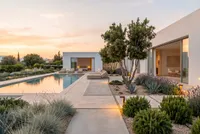
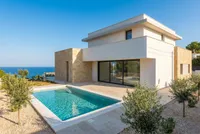
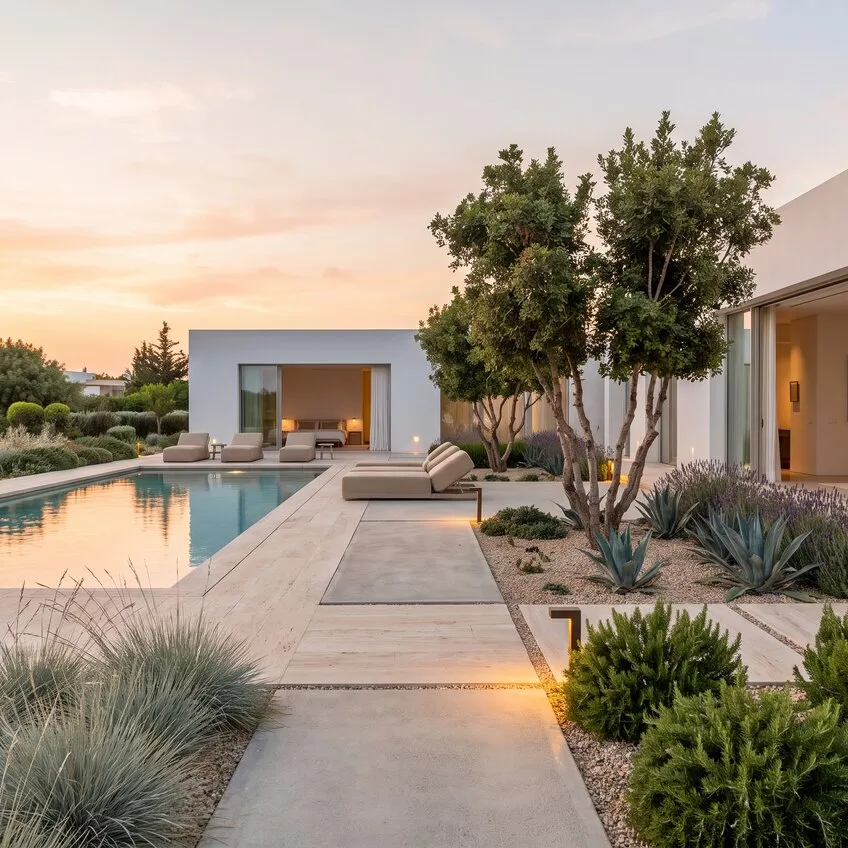
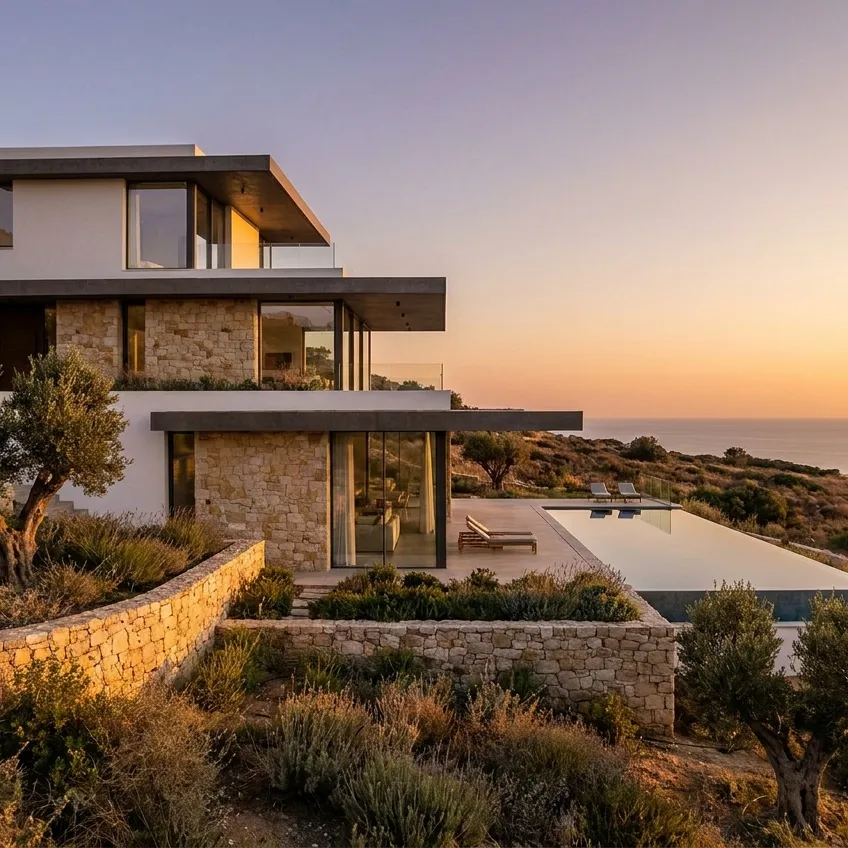
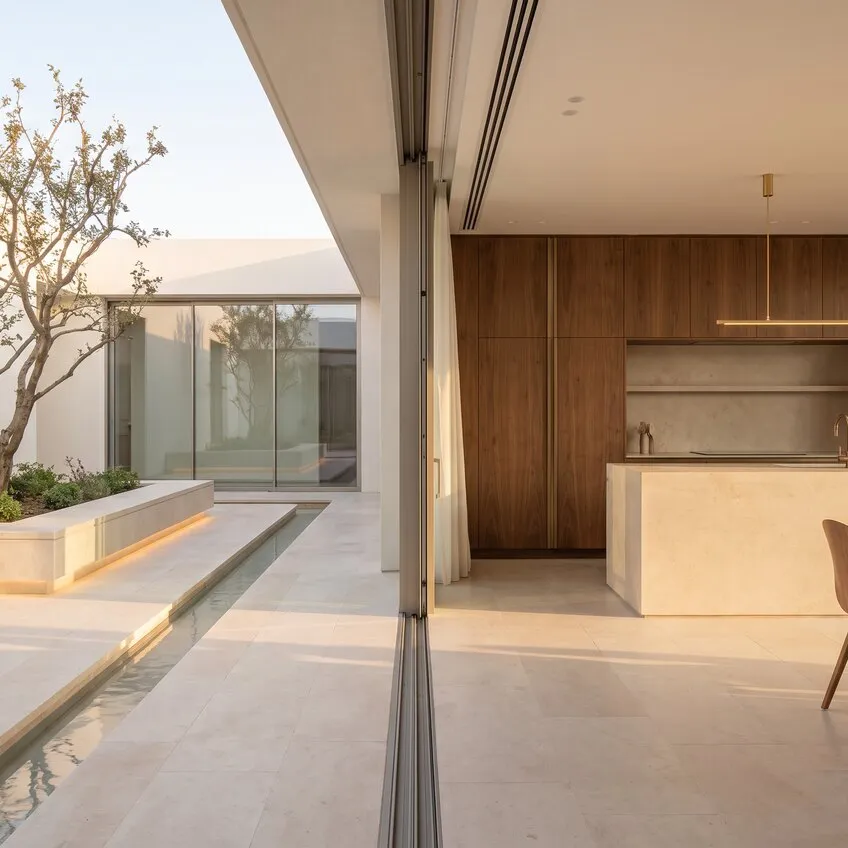
Garden design and planting means choosing and planting everything that makes up a garden: trees, shrubs, hedges, flower beds, ground cover and climbers. The designer thinks through how the garden will look in each season, how much shade it will give in a few years and how much water and care it will need, then plants it with a crew. Cozy brings together garden designers and planting specialists in Cyprus; their profiles show photos of completed gardens, reviews, ratings and prices.
This service suits a new plot around a villa, a refresh of an established garden and small spaces too: courtyards, terraces, balconies and apartment roofs. You can order just the design, just the planting to an existing design, or the whole cycle from concept to established plants.
If the plot first needs levels, retaining walls and the position of the pool and paths worked out, start with landscape architecture and site planning and follow it with the planting design.
What landscape design and planting include
- a site visit: sun and shade, wind, distance from the sea, soil, existing plants;
- a garden concept: style, colour palette, focal points, private areas;
- a planting plan and plant schedule with species and sizes;
- soil preparation: clearing, soil improvement, drainage, marking out planting positions;
- sourcing and delivering plants, planting and mulching;
- an irrigation layout for the planting and care guidance.
Plants are combined by height, form, leaf texture and flowering time so that the garden looks alive all year, not just in spring. Large trees and hedges usually go in first, then shrubs and perennials, with ground cover and mulch closing up the soil at the end.
Plants for the Cypriot climate
Drought, hot summers and strong sun dictate the choice: drought-tolerant Mediterranean species do best, such as olive, carob, lavender, rosemary, bougainvillea, oleander, succulents and ornamental grasses. Near the sea, tolerance of wind and salt matters. A garden like this needs less watering and looks natural alongside the local landscape. A designer will usually group lawn and thirstier plants in one zone where they are easier to water. How to plan a low-maintenance garden is covered in our article “A garden that doesn’t eat your weekends: 8 landscape designers’ tricks”.
Planting, establishment and aftercare
The hardest time for new plants is their first summer. Planting is usually scheduled for the cooler season, and drip irrigation is set up for each group of plants. Check in advance whether the job includes monitoring establishment and replacing plants that fail, who is responsible for watering after handover, and whether the contractor offers regular garden maintenance.
Choosing a garden designer
Look at the portfolio: are there gardens in similar conditions (by the sea, on a slope, in a hot valley), and how do they look some time after planting? In reviews, the telling detail is how well the plants established after their first summer. Ask whether the designer works with local nurseries and who does the planting.
A garden brief starts with a site plan or dimensions, photos and what water and irrigation you already have. Add gardens you like and an honest answer on how much time you will spend on upkeep. Give a rough budget: it determines what size of plants can go in from the start.