






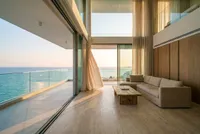

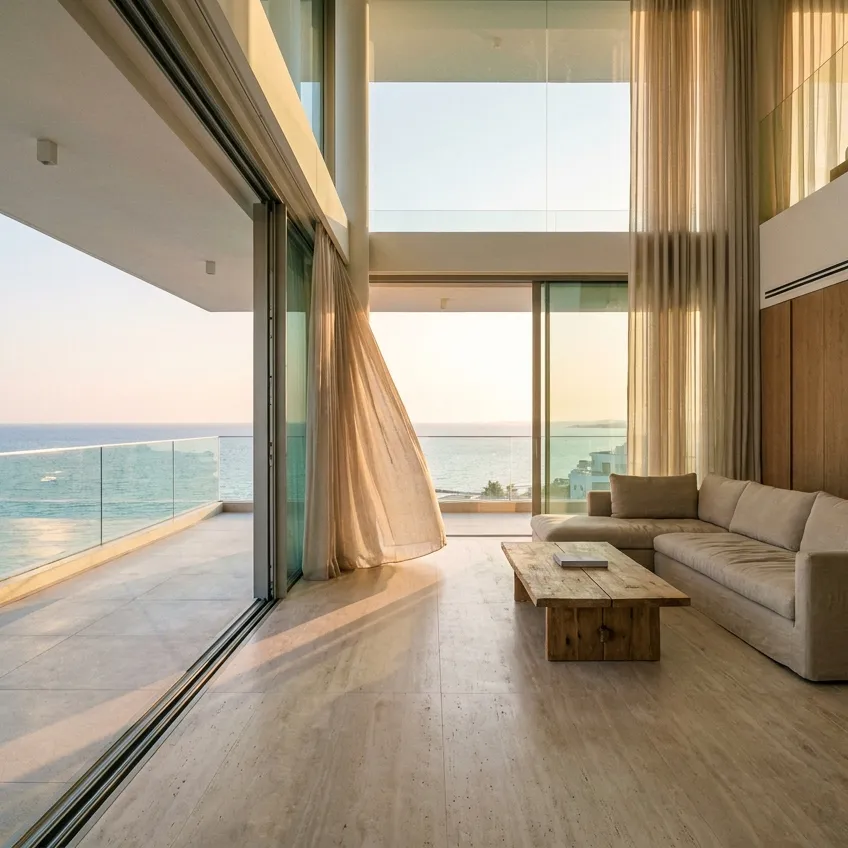
Work at height indoors in Cyprus is needed wherever an ordinary stepladder no longer reaches: double-height ceilings in villas, atriums and stairwells, tall halls in restaurants, hotels, showrooms and shopping centres. Cozy lists contractors who set up safe access at height and carry out the job up there, from painting a ceiling to installing a chandelier.
Typical jobs include painting and repairing high ceilings and walls, installing, replacing and servicing light fittings and chandeliers, fitting cornices, decorative elements and acoustic panels, cleaning high windows and glazing from the inside, and servicing ventilation and sensors. Such work is often booked alongside a renovation, when the other trades are not set up to work at height.
This category covers work inside the building only. Facades, external glazing and roofs are separate services with other contractors. If the job at height is mainly painting or wall levelling, discuss it with plastering and painting specialists too: many of them work alongside an access crew.
Height and task
The first thing a contractor needs is the exact height of the working area and a description of what has to be done there. Painting a ceiling the size of a whole hall and replacing one bulb in a chandelier are very different jobs to organise. The weight and size of what goes up, access to power and how long the work will take also matter. The more detail and photos you provide, the more accurate the offer will be.
Indoor access method
Access equipment is chosen to suit the height and the floor as well as the routes in. Lower heights need only professional stepladders and staging, medium heights mobile scaffold towers, large spaces a powered access lift, and in atriums and over stairs rope access is sometimes used. A lift needs a strong, level floor, wide enough doors and passages and room to turn. Ask the contractor what equipment they use. Check what training and qualifications they hold for this kind of work and how fall protection is provided.
What the work includes
- a site survey, measuring heights, routes and floor loading;
- choosing and delivering equipment such as towers and staging or a lift;
- protecting floors, furniture and routes below the working area;
- carrying out the work at height to the agreed scope;
- dismantling equipment, cleaning up and handing the space back.
Agree separately on protecting floors and furniture: who covers the floor under the lift and tower wheels, and who cleans up the dust. In villas and hotels it also matters at what hours work is allowed and how people will be kept from walking under the working area.
Choosing a crew for work at height
Look for experience with similar jobs and heights: work in a shopping centre atrium and replacing a chandelier in a villa living room are organised quite differently. Photos from past jobs show what equipment the crew uses and how they protect floors and furniture below.
Everything about the access equipment follows from a few facts: the ceiling height in the working area, the width of doors and passages, and the floor type. Send these with photos of the room and a description of the task.