













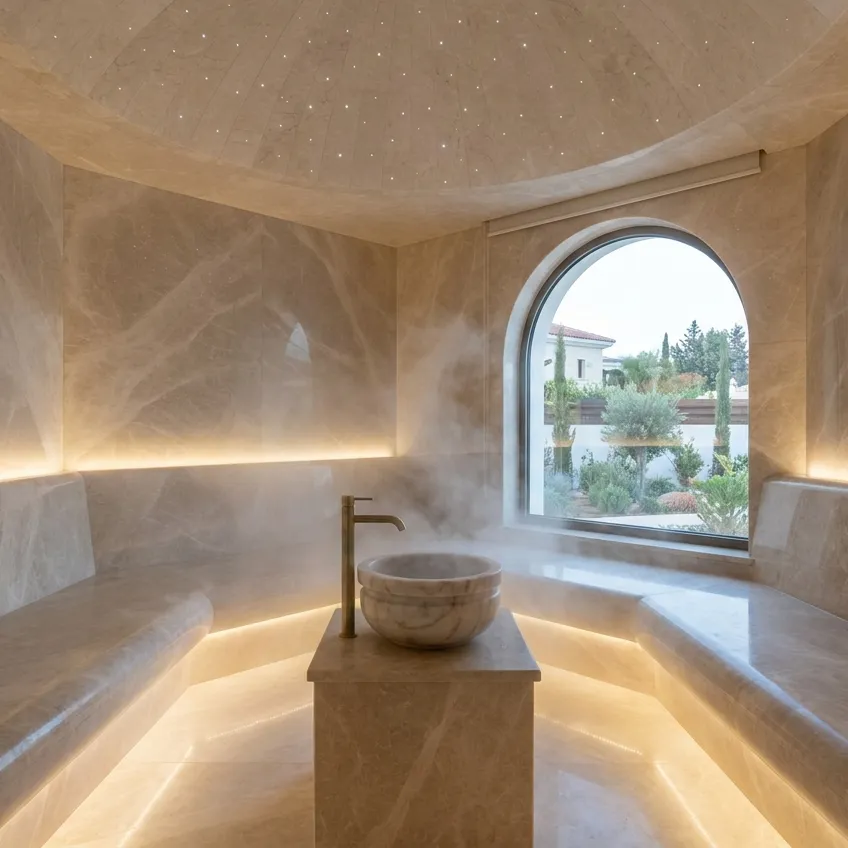
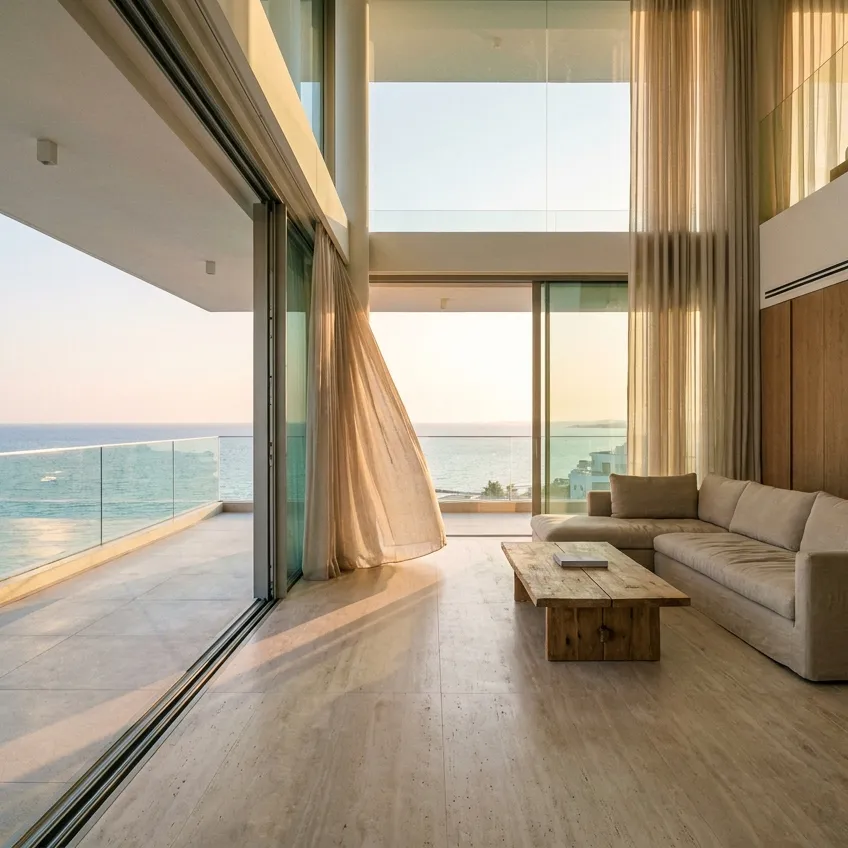
Tile installation in Cyprus is needed in almost every home: bathrooms and showers, kitchen splashbacks, hallways, living room floors and around the pool. Cozy brings together tilers and mosaic specialists who handle tiling and mosaic work on walls and floors, from shower tile installation in a single bathroom to a whole villa or a rental apartment. Kitchen tile installation usually covers a splashback or the floor; whether you choose porcelain or ceramic, tile installation starts with a flat, prepared base.
Tiles are popular in the local climate for good reason: they stay cool in the heat, do not mind moisture and are easy to clean. Ceramic, porcelain, large-format slabs, small glass or stone mosaics: each format has its own demands on the substrate, adhesive and tools. Large formats need an almost perfectly flat surface, mosaics need patience and precise cutting. Terraces and pool surrounds call for slip-resistant tiles made to cope with sun and temperature swings. How to choose tiles for each room is covered in our article “How to choose tiles for the bathroom and kitchen”.
This page is about tile and mosaic installation itself. If you only need bathroom tile installation, a tiler is enough; if you are planning a full bathroom refit with new sanitaryware and pipes, look for a contractor who handles complete renovations. Laminate and parquet, like other “warm” floors, are laid by flooring specialists.
Substrate, setting-out and pattern
Good tiling starts with checking the substrate: walls and floors must be flat, sound and dry. Where needed the tiler levels and primes the surface and waterproofs wet areas. Do not assume waterproofing is included: have it listed as a separate line in the quote. The tiler then proposes the setting-out: where to start, where full tiles and cuts will fall, how wall and floor joints will line up, and how to work around pipes, niches and boxing.
Agree the setting-out and the mosaic pattern before work starts, either on a drawing or on site by dry-laying the tiles on the floor. That way you see in advance where thin slivers will end up, how the feature tiles will look and how much material you need with spare for cuts and breakage.
What the work includes
- removing old tiles and preparing the substrate;
- levelling, priming and waterproofing wet areas as quoted;
- wall tile installation and tile floor installation, plus mosaics with feature inserts;
- cutting, 45° mitred corners, working around pipes and outlets;
- grouting and sealing junctions, then a final inspection.
After grouting, check the surface under side light: flatness, even joint widths, no hollow spots under the tiles and neat junctions with the bath, shower tray and worktop. Discuss which grout to use in the shower and kitchen: it decides how the joints will look in a few years.
Choosing a tiler
Look for experience with similar jobs: large formats, mosaics, walk-in showers and terrace floors call for different skills. Photos tell you most about a tiler when they show corners, the joints around sanitaryware and how the pattern lines up from wall to wall. Ask how the tiler protects sanitaryware and furniture during cutting and who removes the old tiles and debris.
Before you get in touch, prepare room dimensions or a plan, photos, the tiles and mosaics you have chosen or links to them, and a setting-out sketch if you have one. Mention whether waterproofing and removal of the old tiles should be in the price, so that every tiler quotes for the same job.